

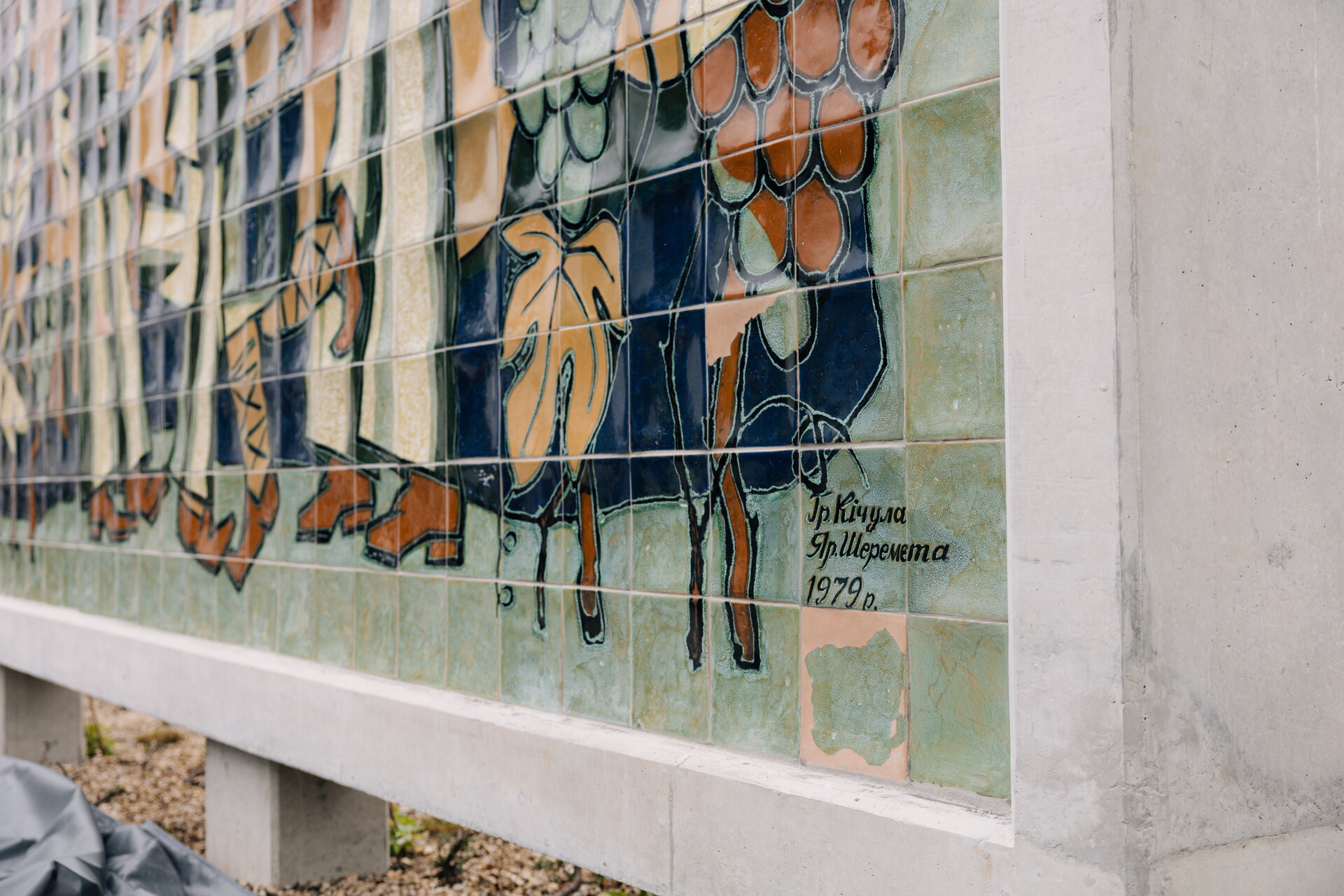
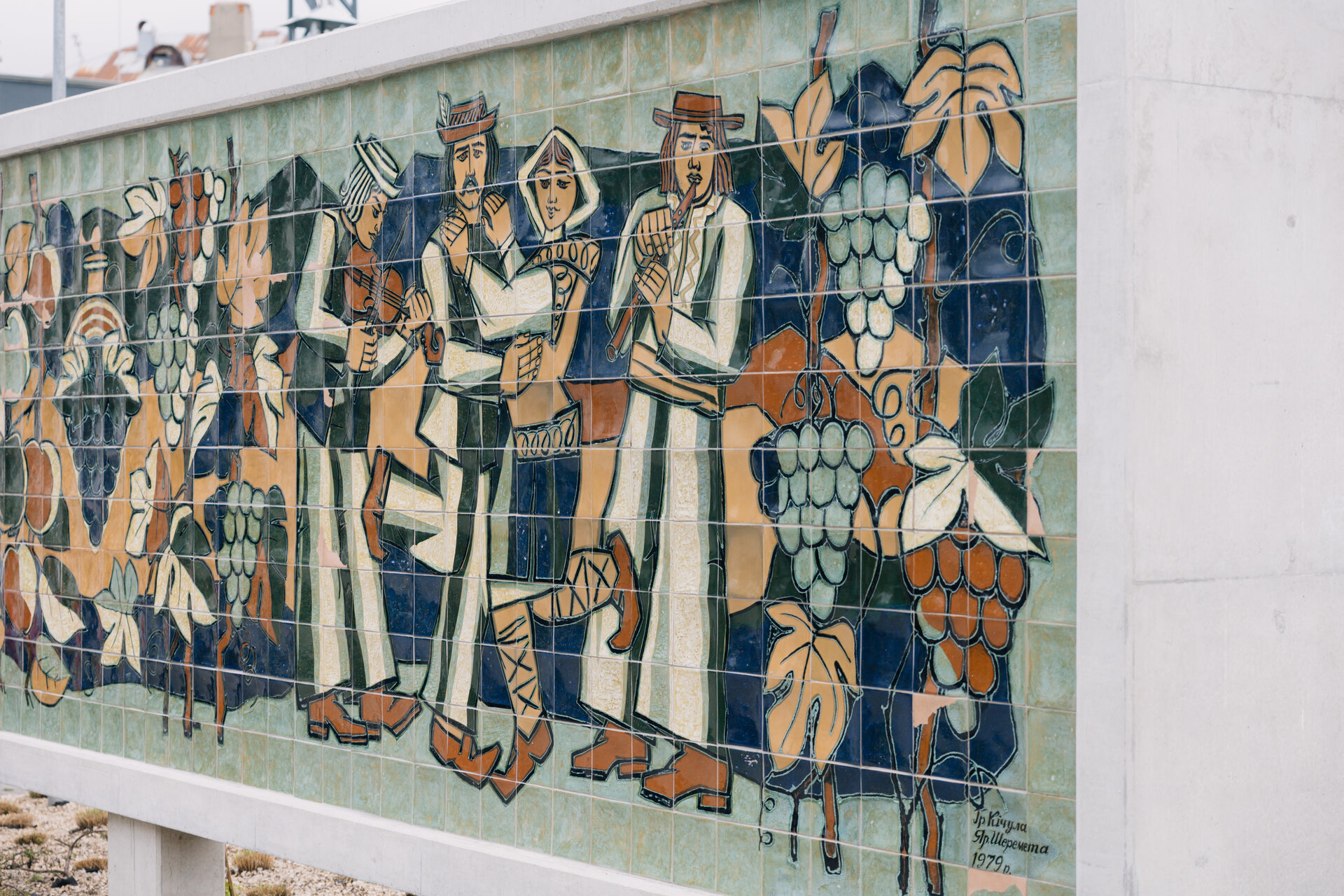
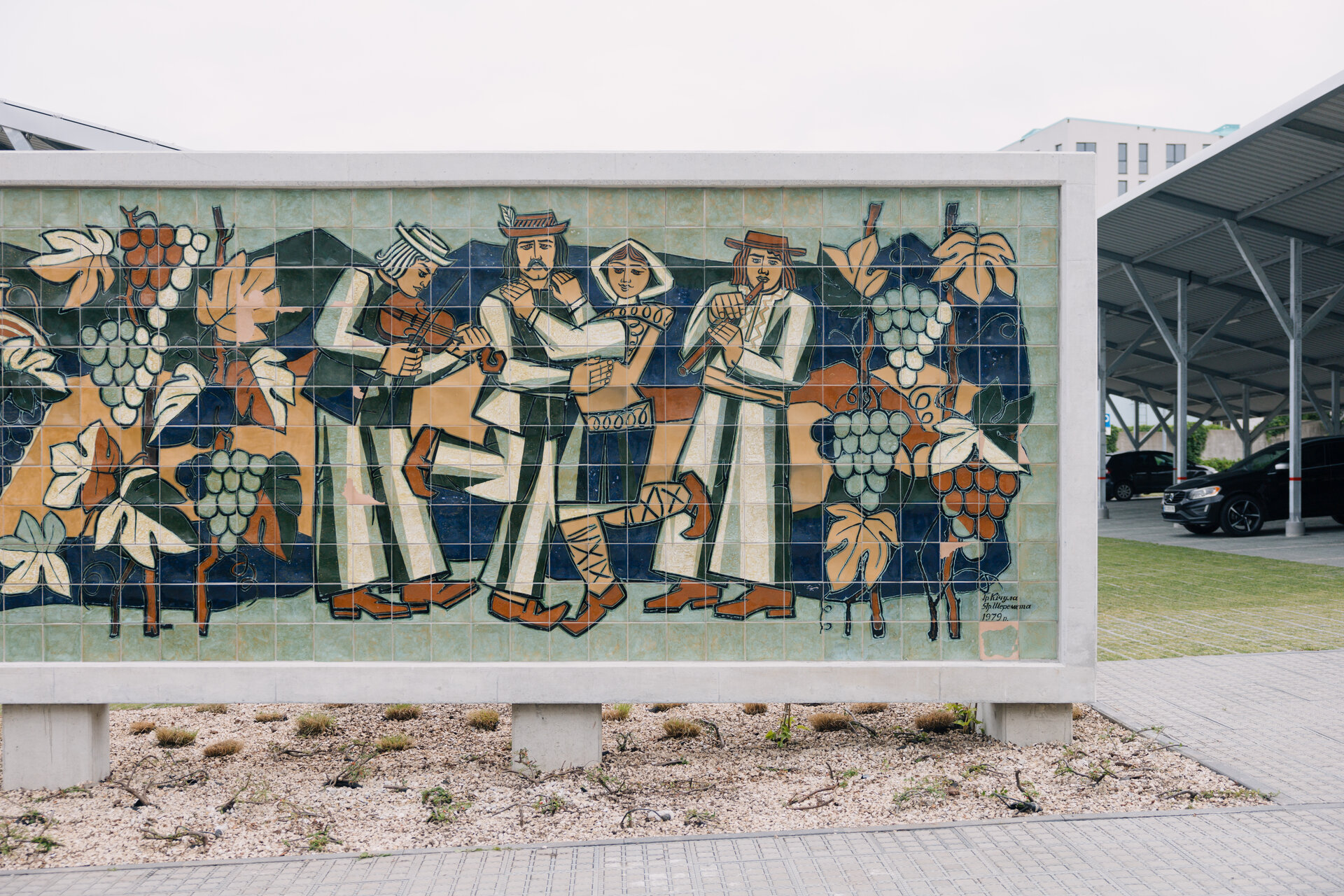
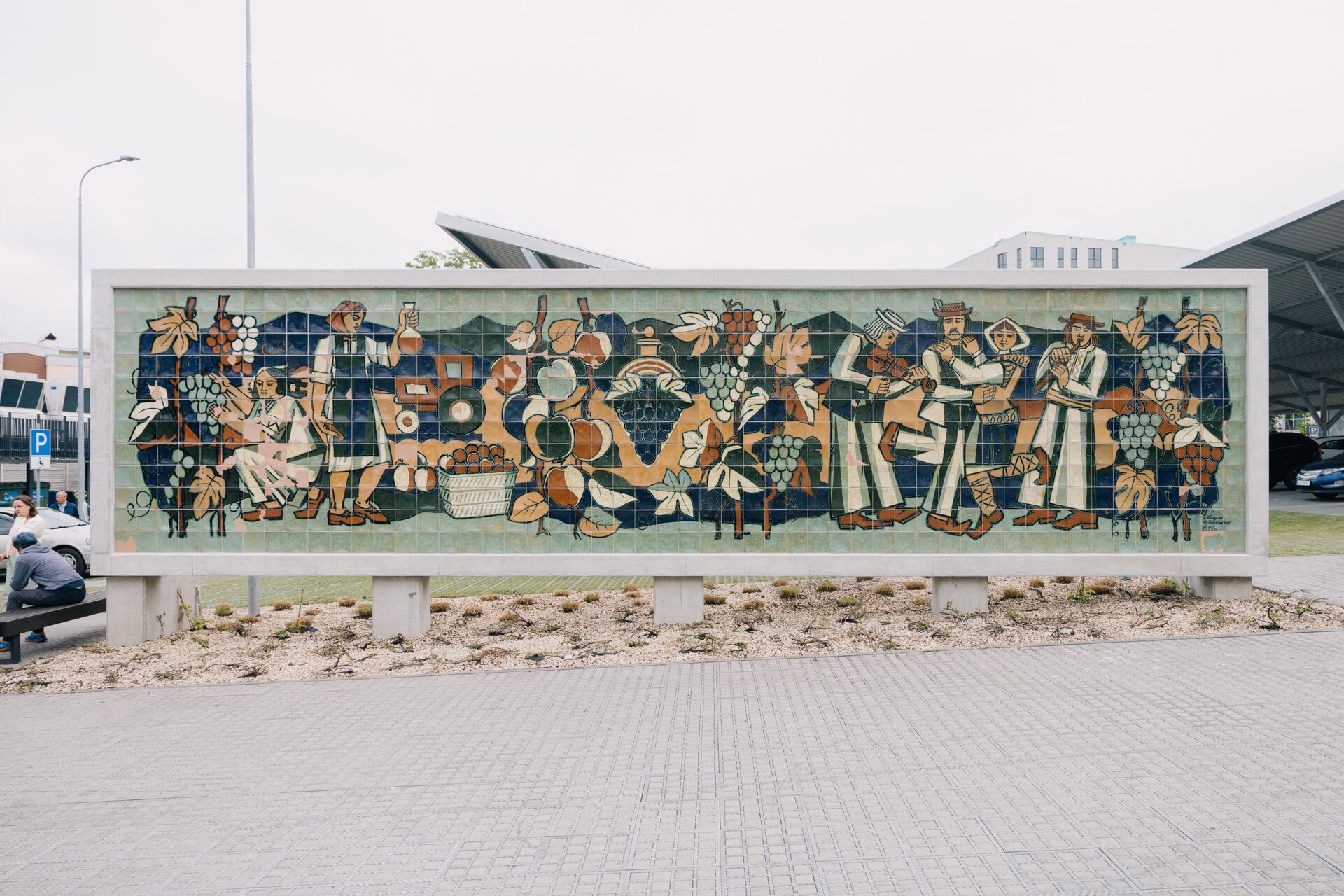
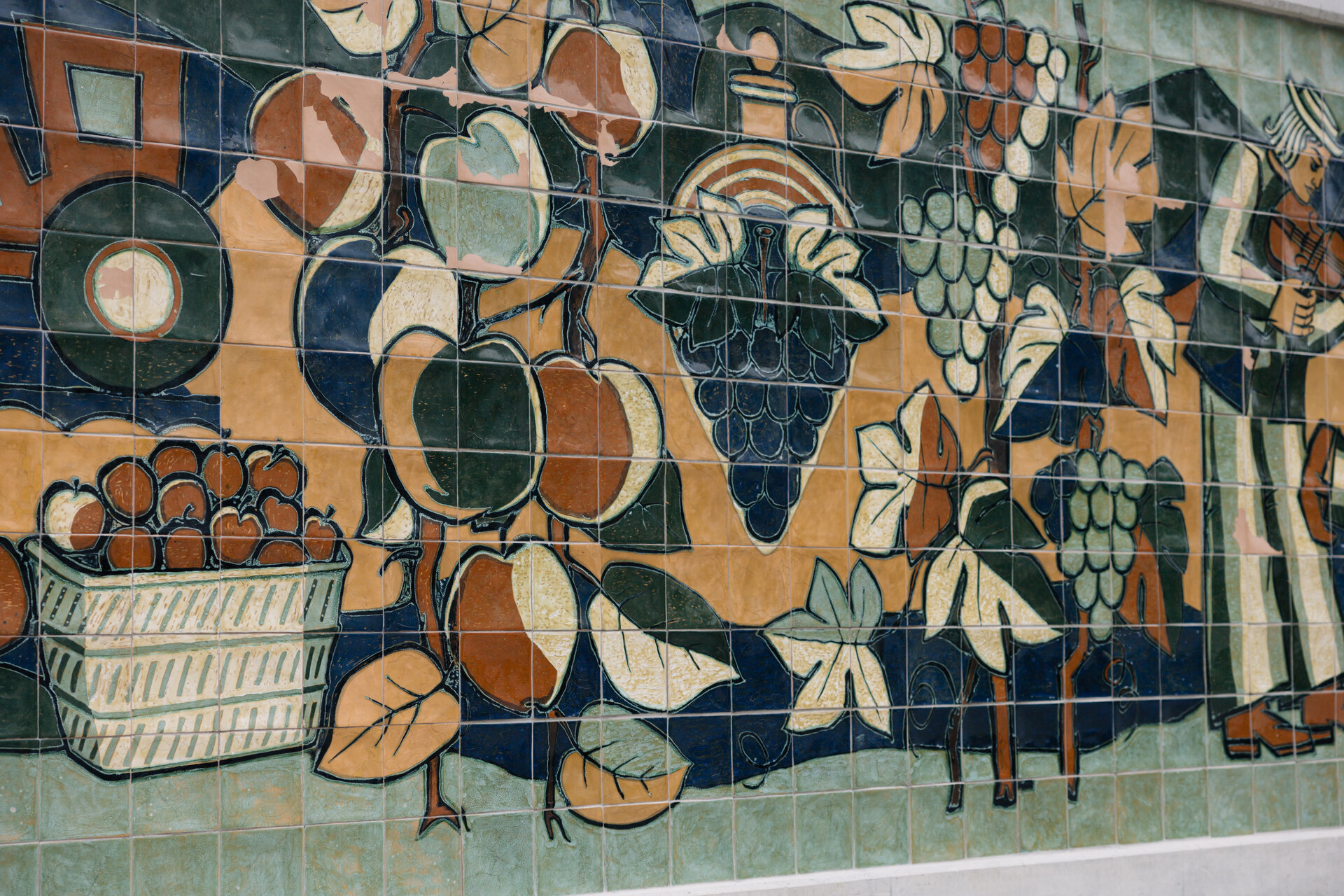
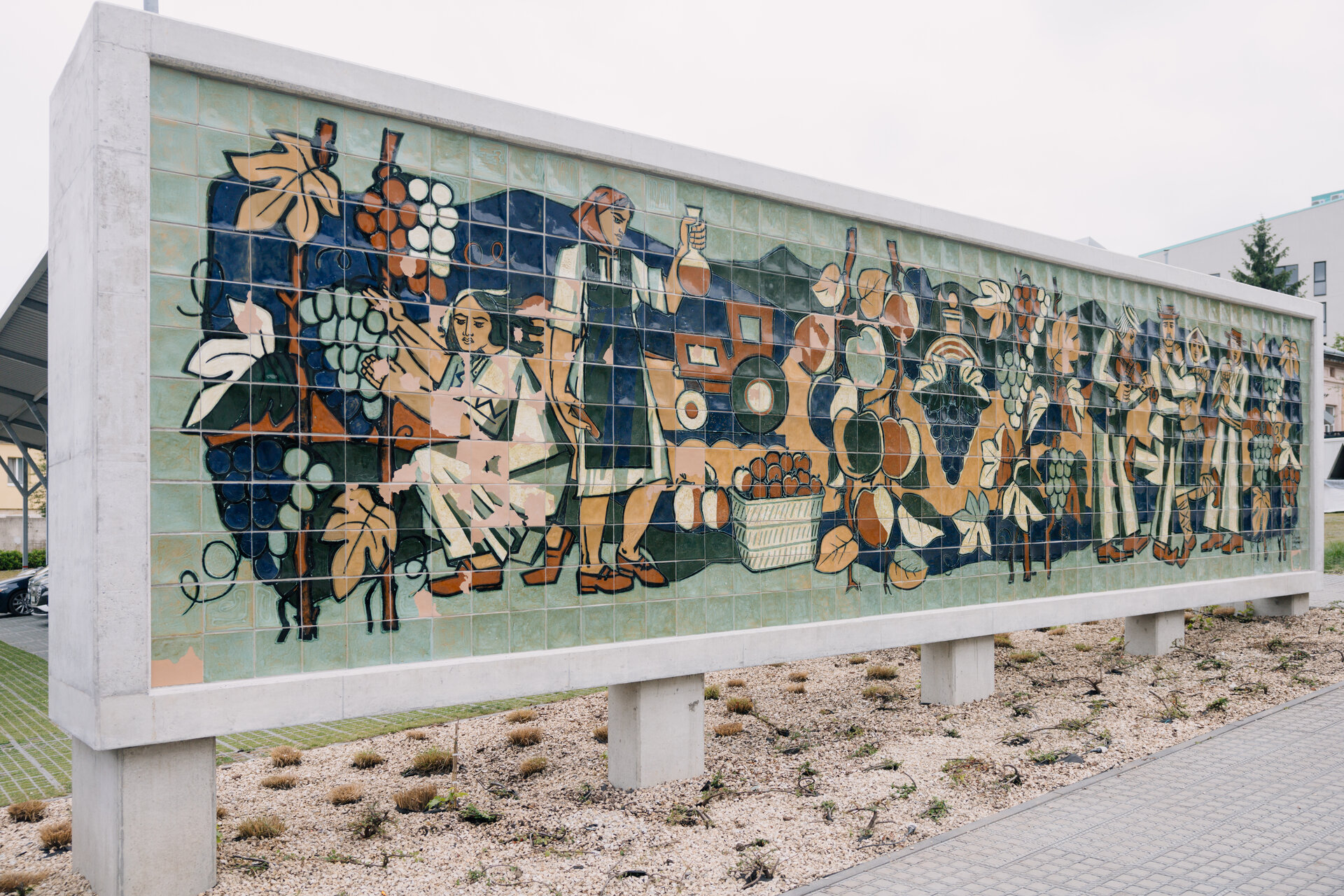
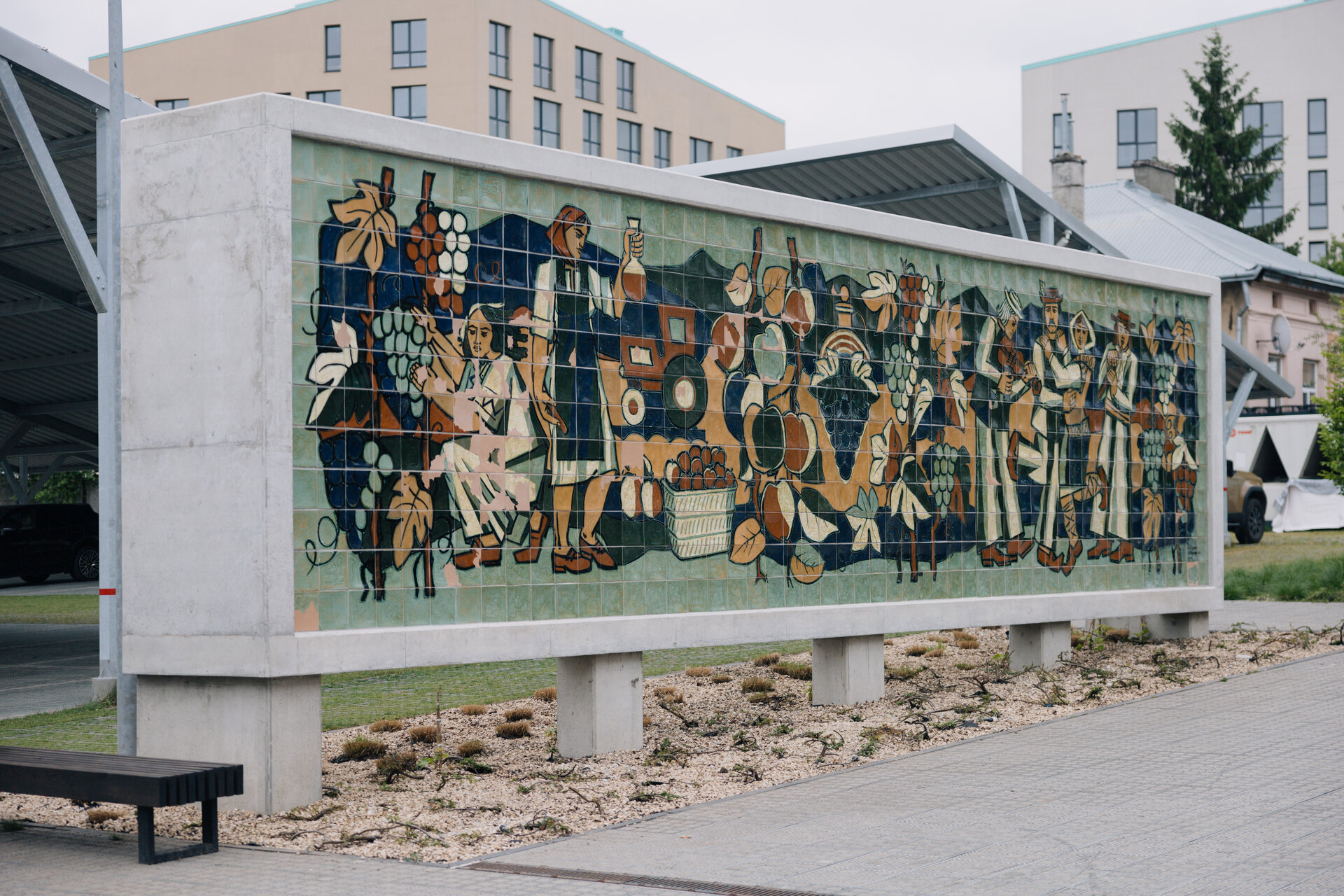
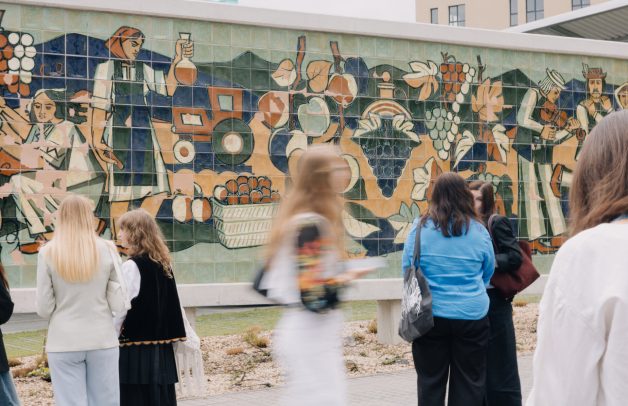
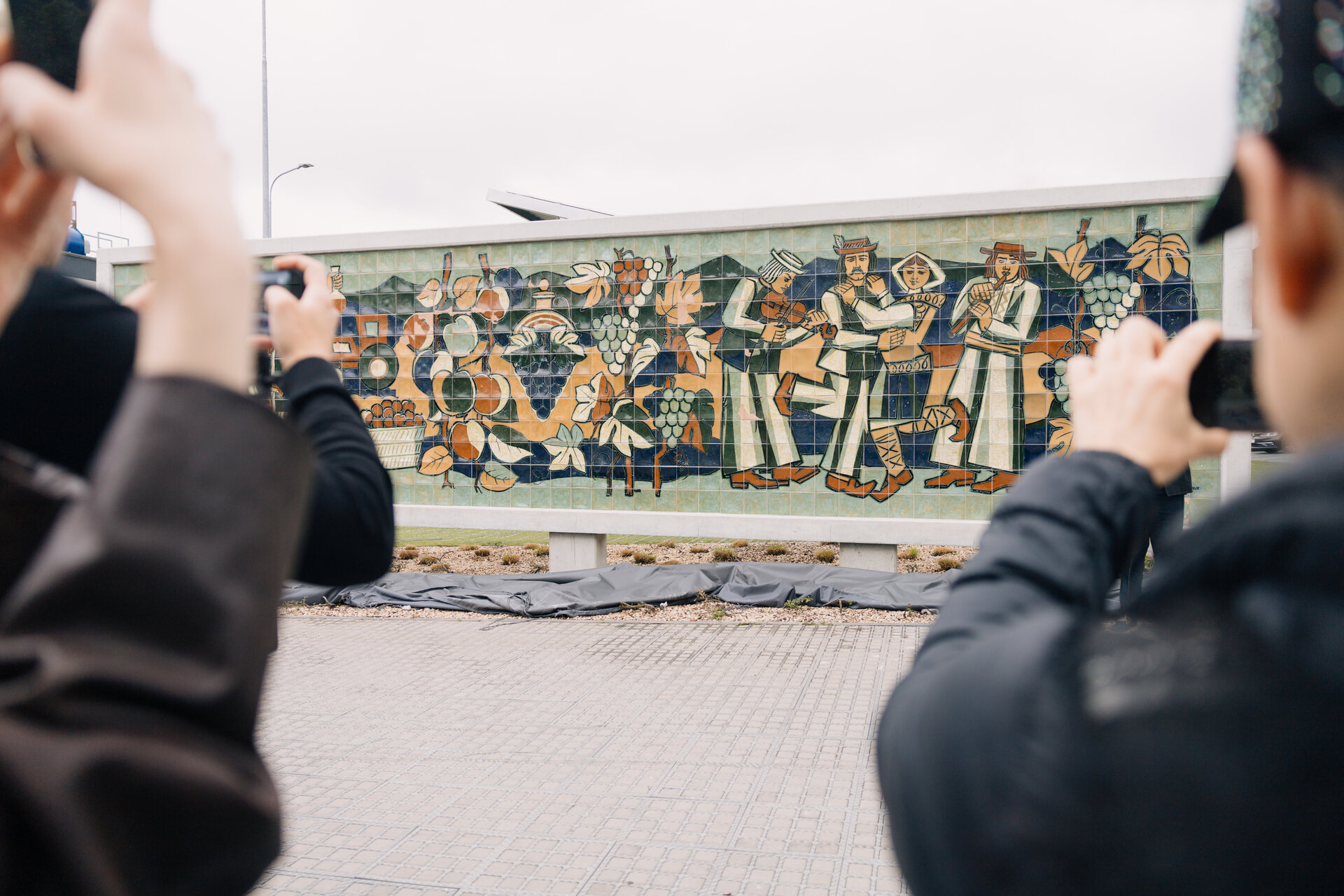
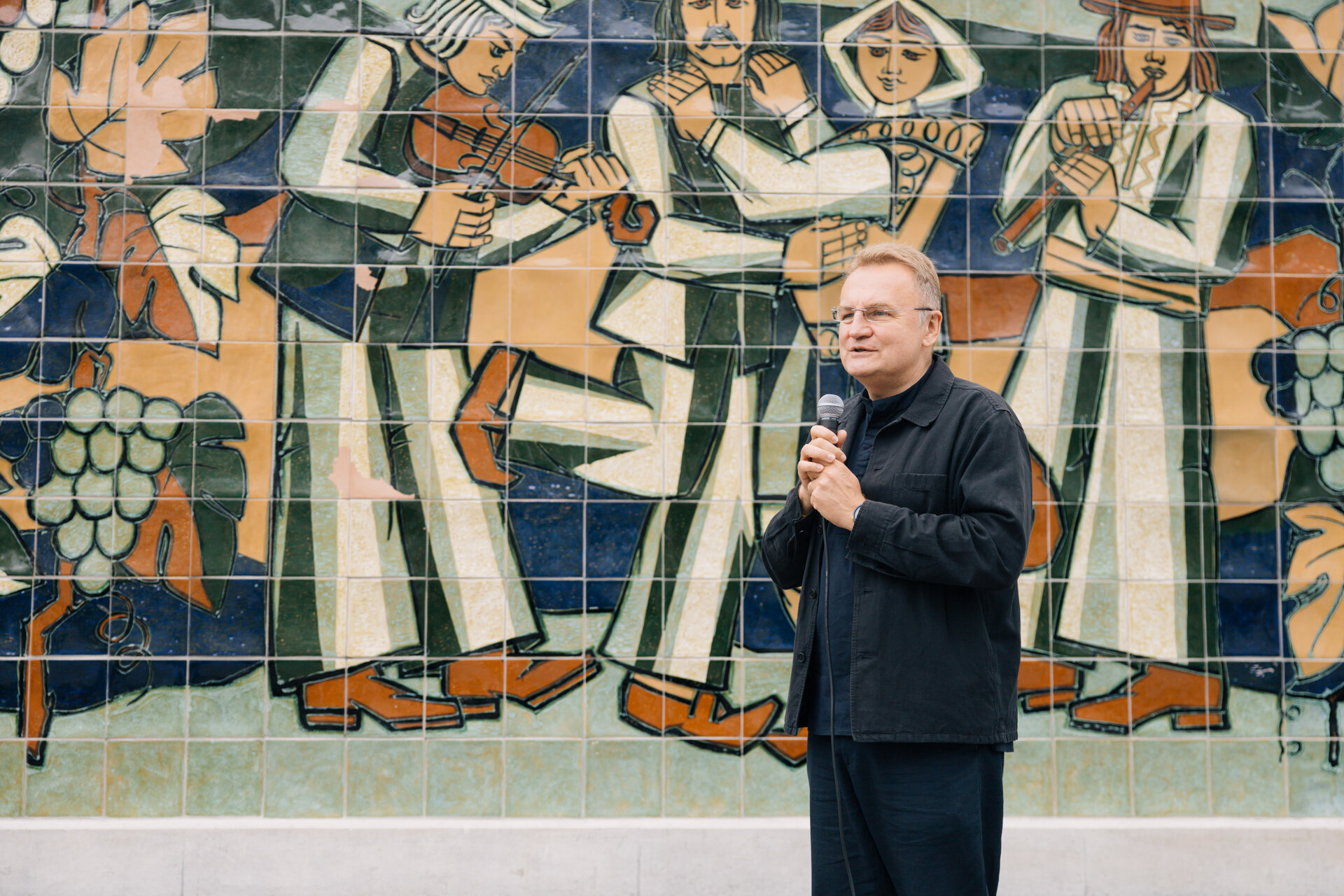
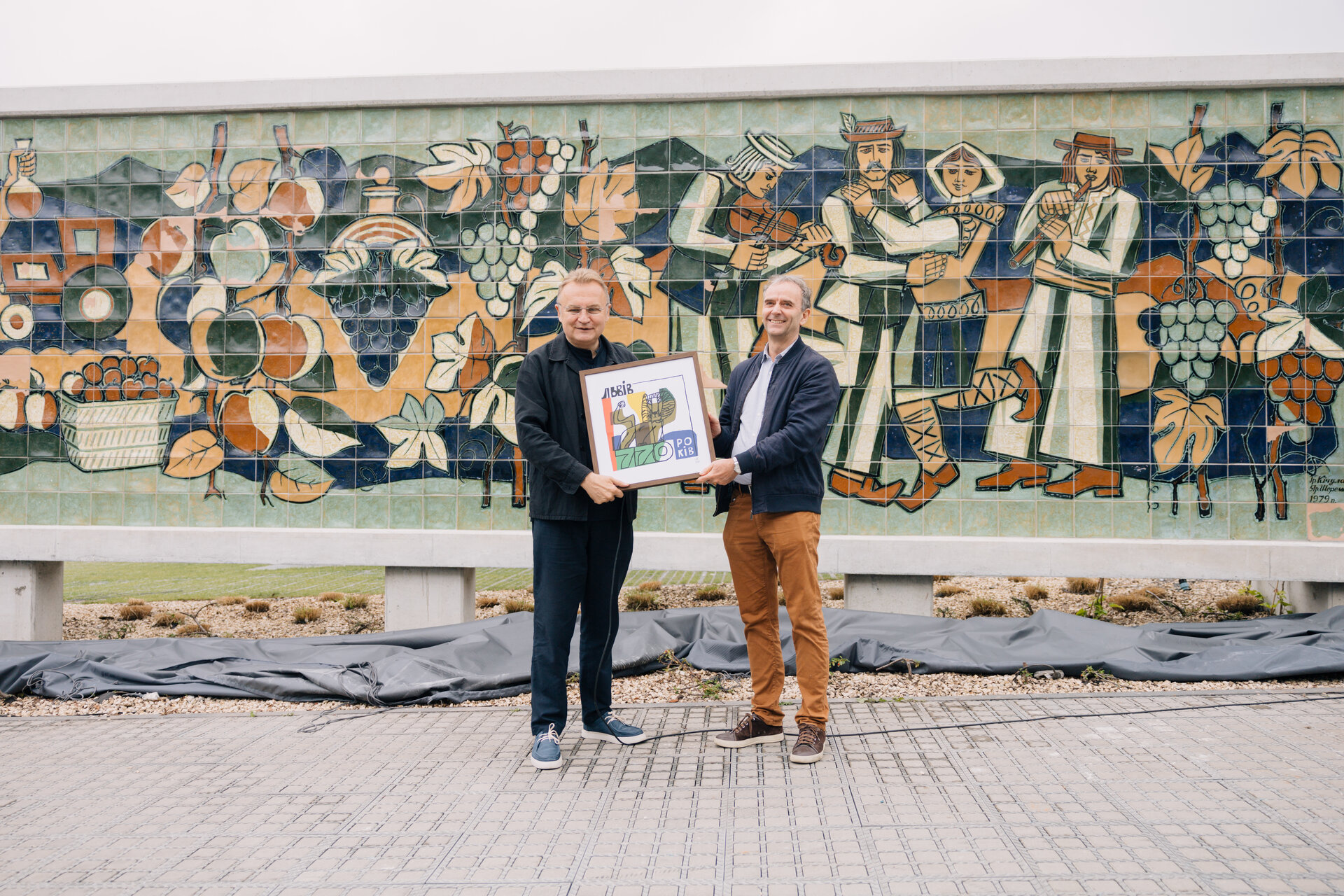
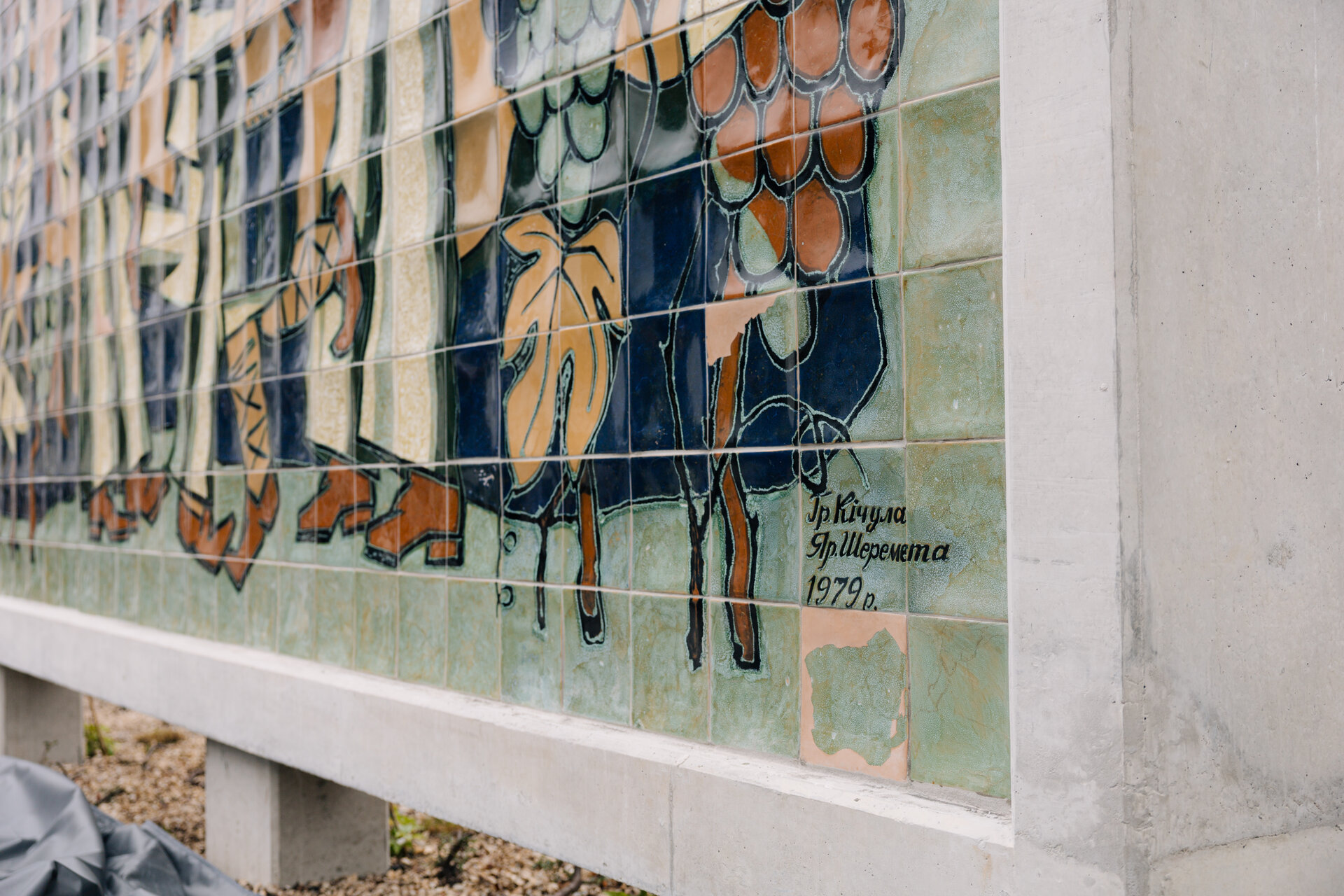
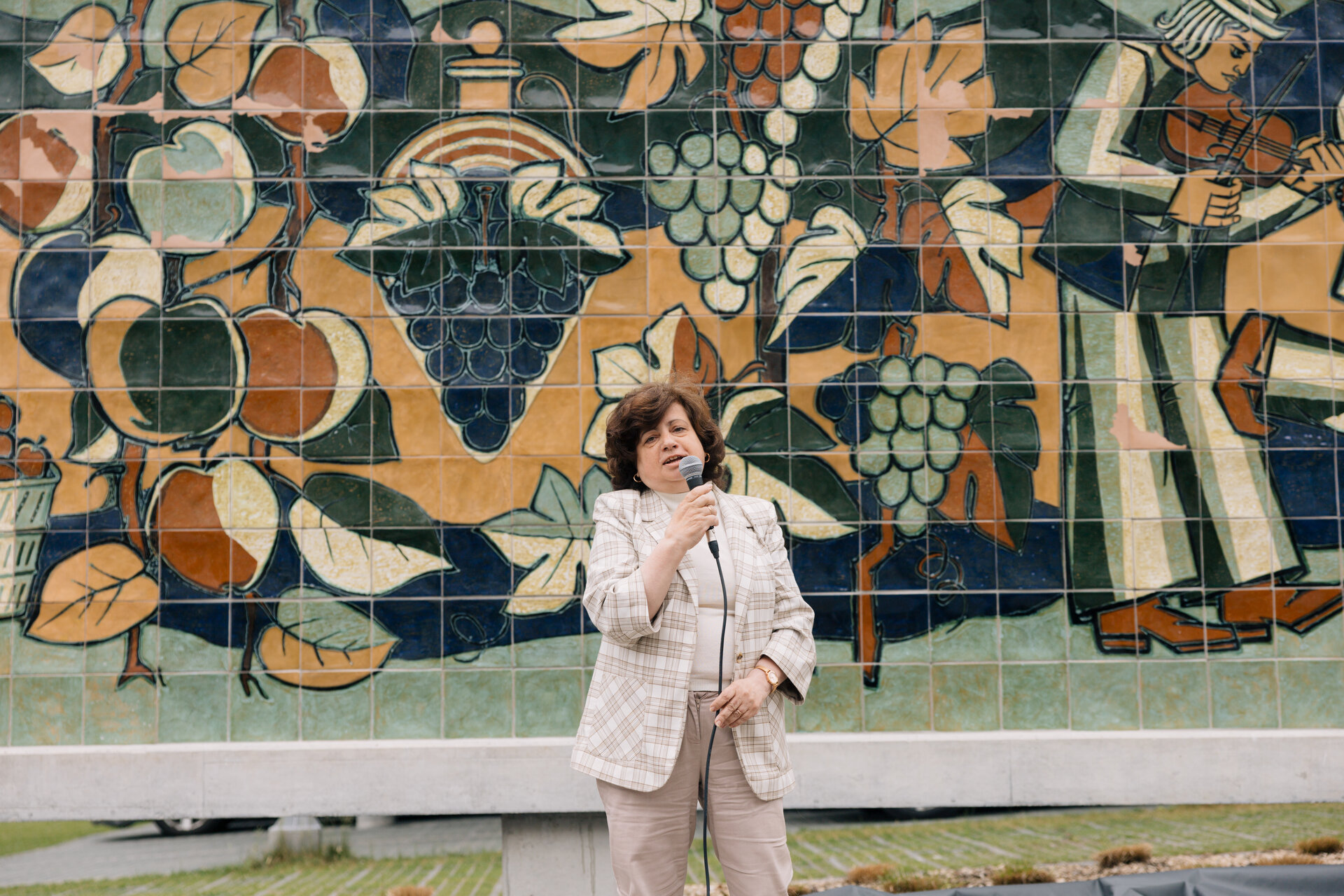
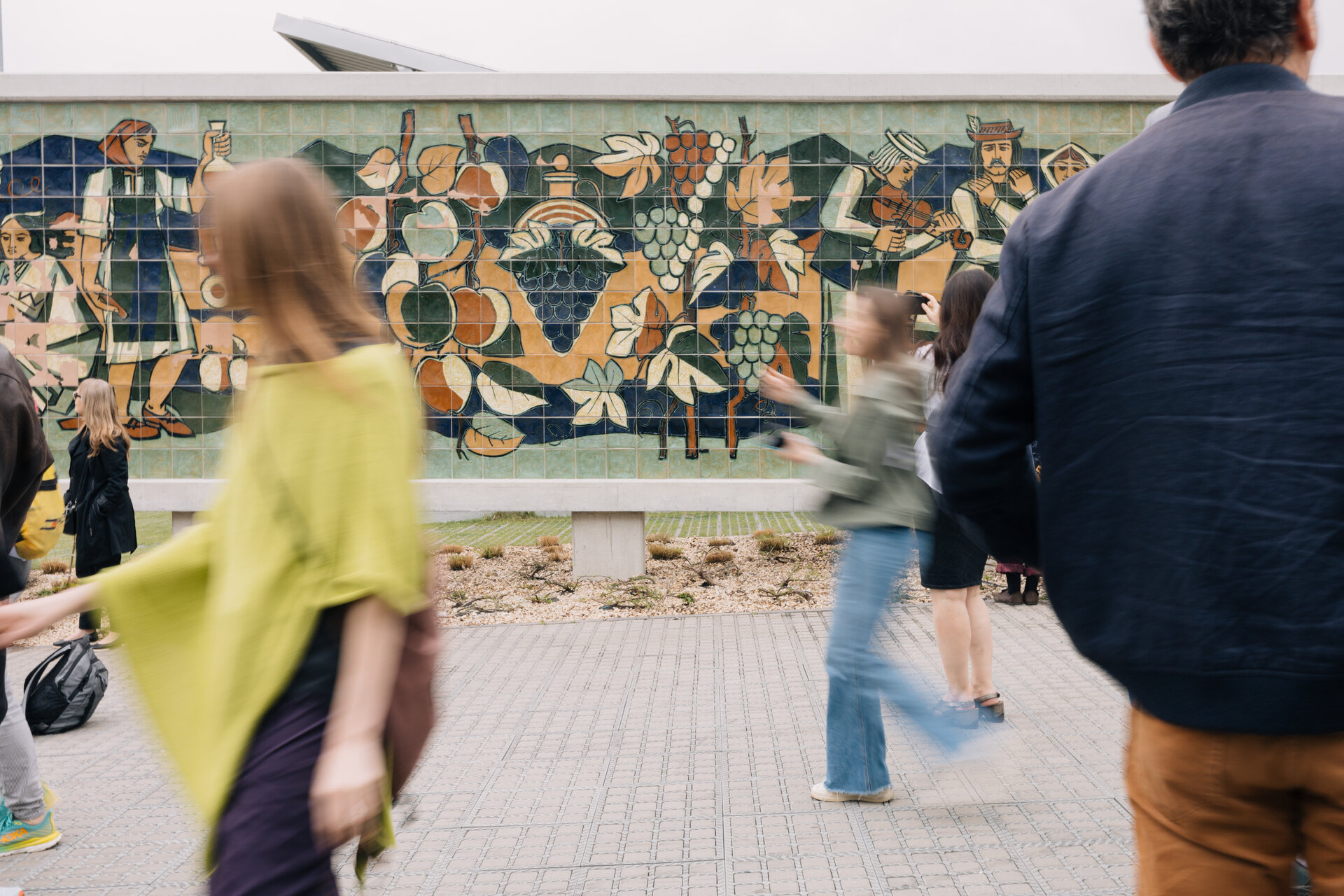
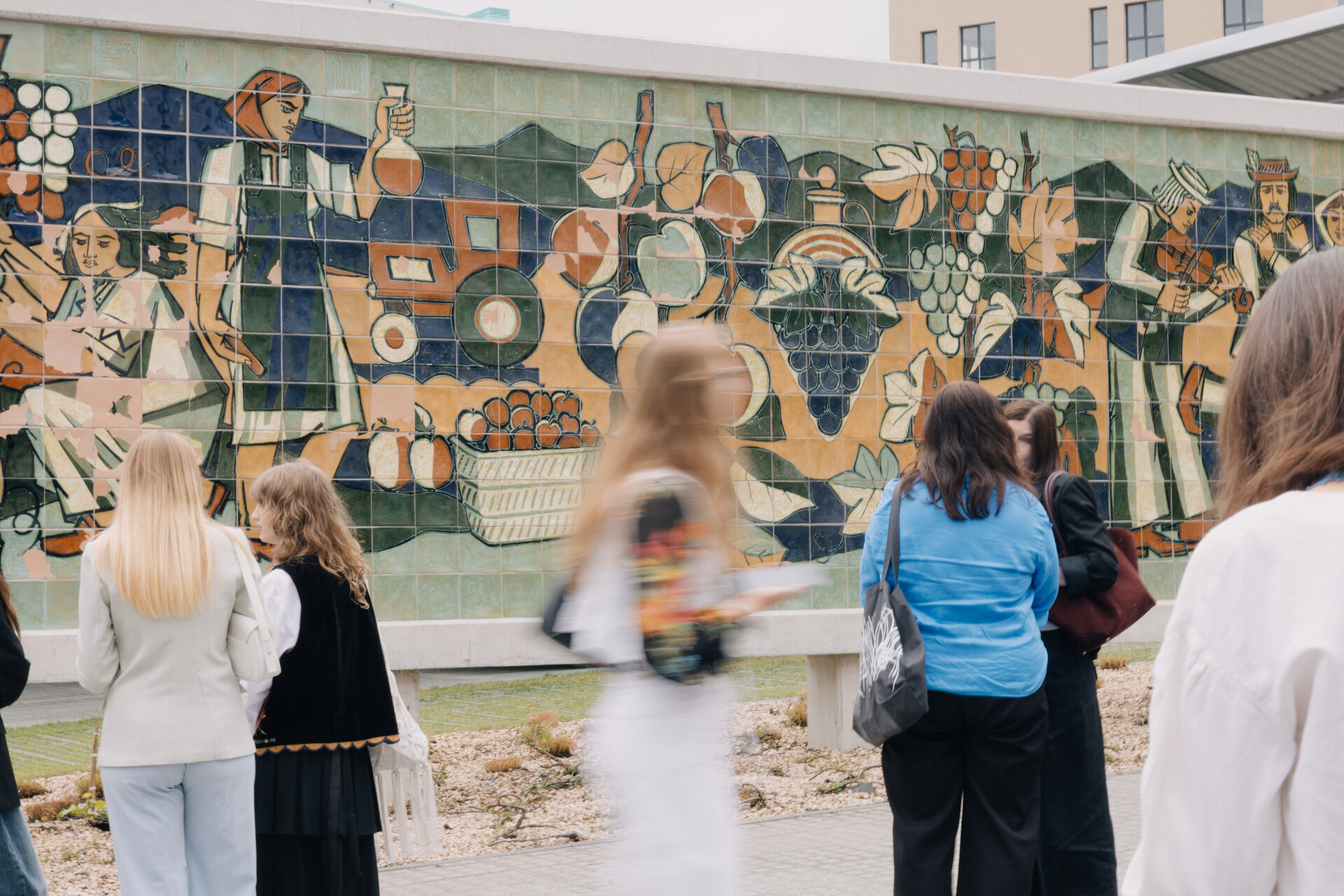
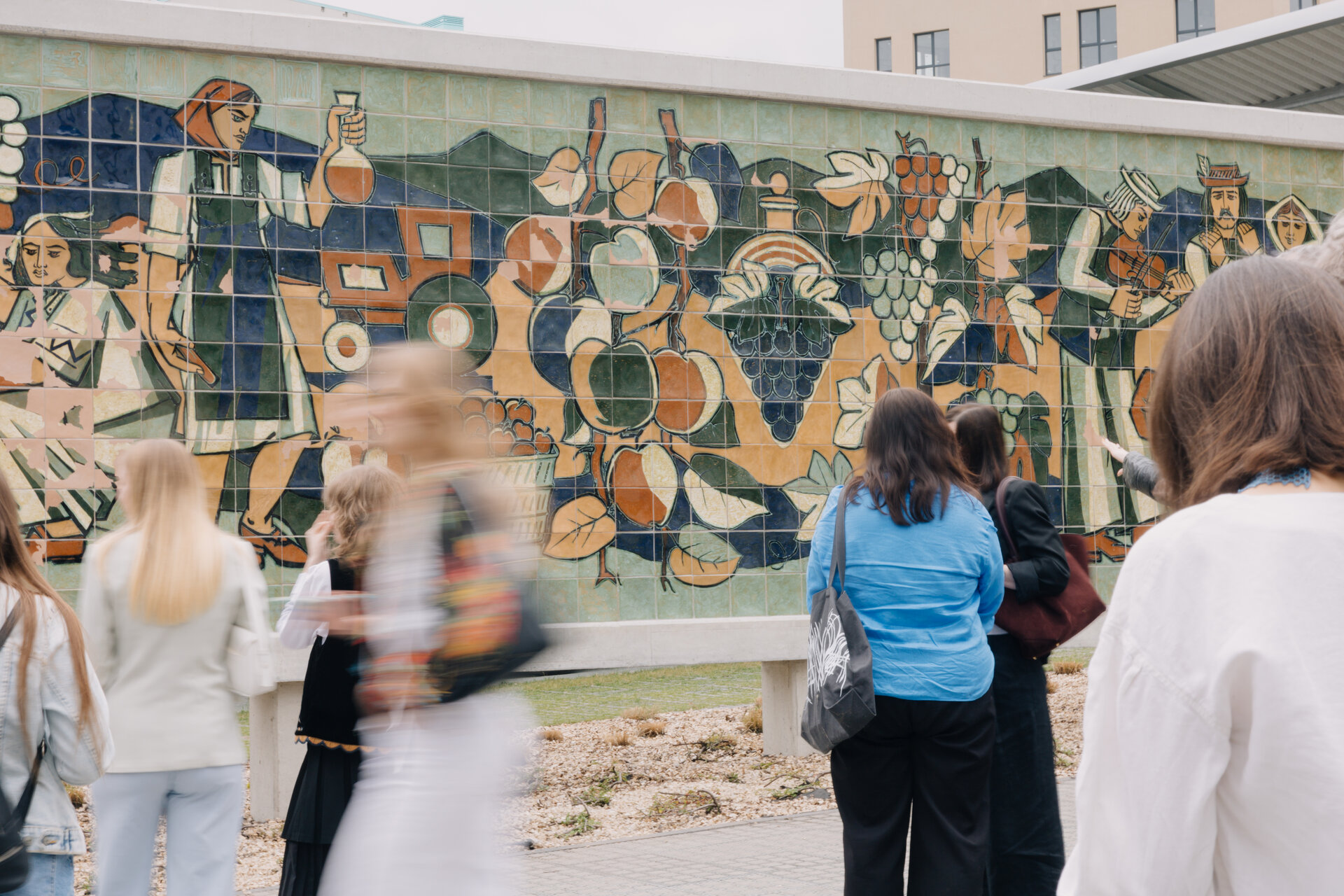
The ceramic panel “Grape Harvest” (“Zbir Vynohradu”) is a piece of Ukrainian monumental art created in 1979 by artists Hryhorii Kichula and Yaroslav Sheremeta.
Made of glazed tiles using high-temperature firing techniques, it depicts scenes of grape harvesting and winemaking, serving as a prominent example of 1970s monumental and decorative art. The panel is included in Lviv’s official registry of valuable mosaic artworks.
For over 45 years, the artwork adorned the facade of a former winery in Lviv’s Pohulianka district. However, because the building was in a dilapidated state, it faced the threat of destruction.
The panel preservation was realized through a joint effort of the city, local businesses and the Jam Factory Art Center. The art center participated in negotiations, coordinated the project execution and collaborated with the Cultural Heritage Protection Office of the Lviv City Council, the Auroom construction company, and the KARP Restorer workshop.
The costs of dismantling and relocating were co-funded by Auroom and the Jam Factory Art Center.
Following its dismantling and restoration, “Grape Harvest” was transferred to the art center’s grounds and mounted on a custom-built wall. Today, the panel is open to the public free of charge for all Jam Factory visitors.
History
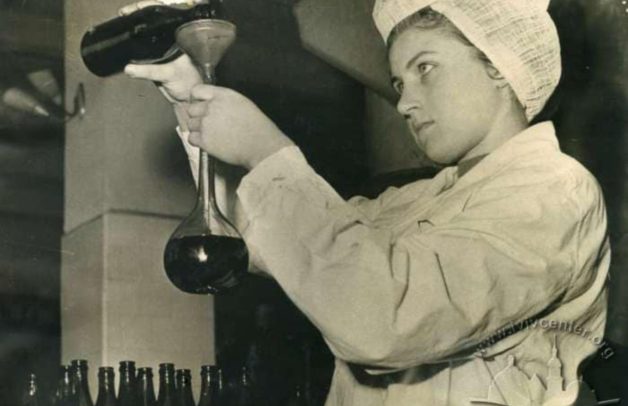
1945
The "Ukrvyno" plant opened in the Pohulianka district of Lviv, producing alcoholic beverages — most notably the famous "Kvity Pohulianky" (Pohulianka flowers) vermouth.
Jam Factory Art Center team, during historical research, revealed that the enterprise’s facilities also operated on the site where the art center is located today.

1979
Artists Hryhorii Kichula and Yaroslav Sheremeta created the ceramic panel "Grape Harvest" for the factory's facade.
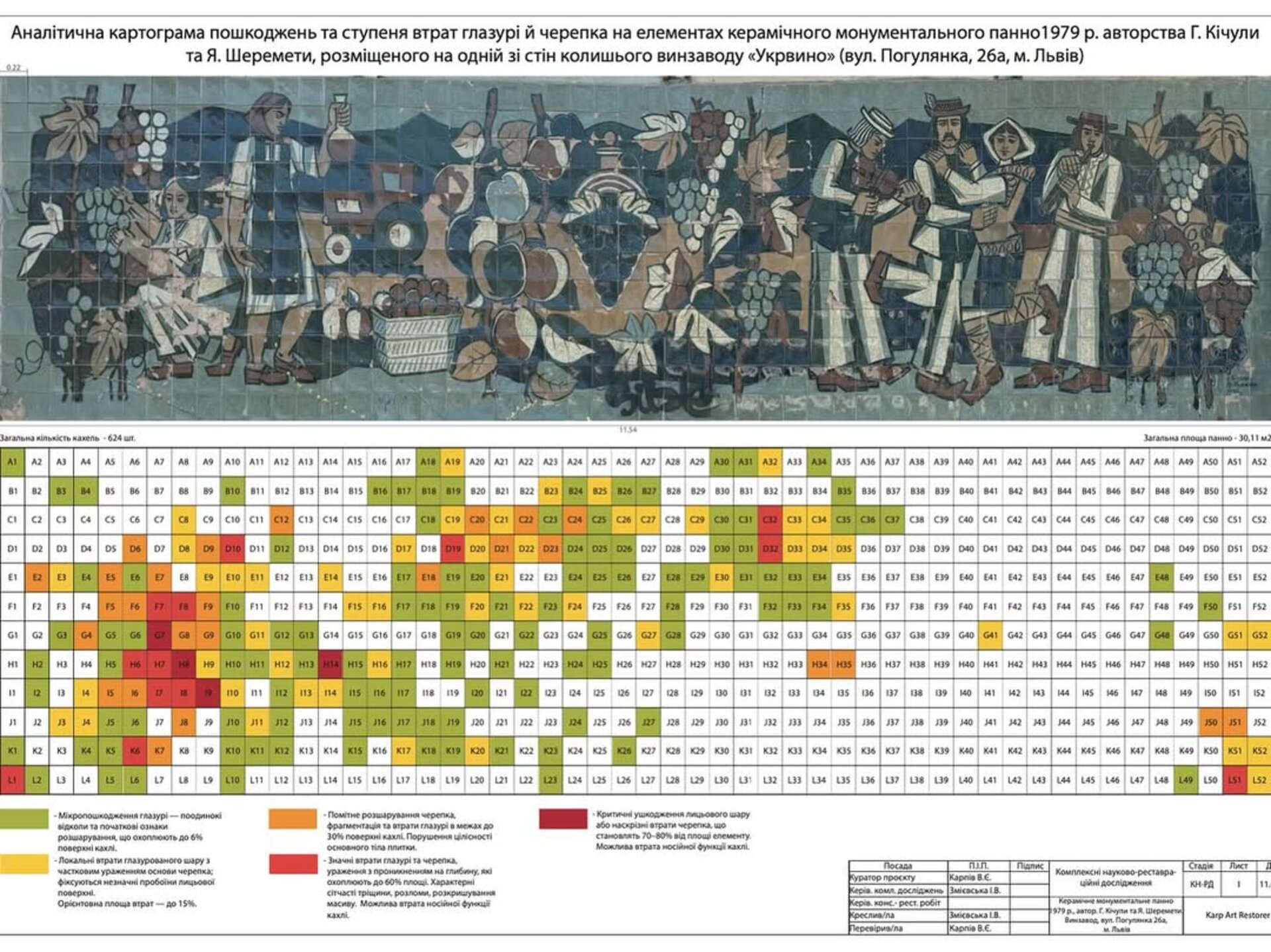
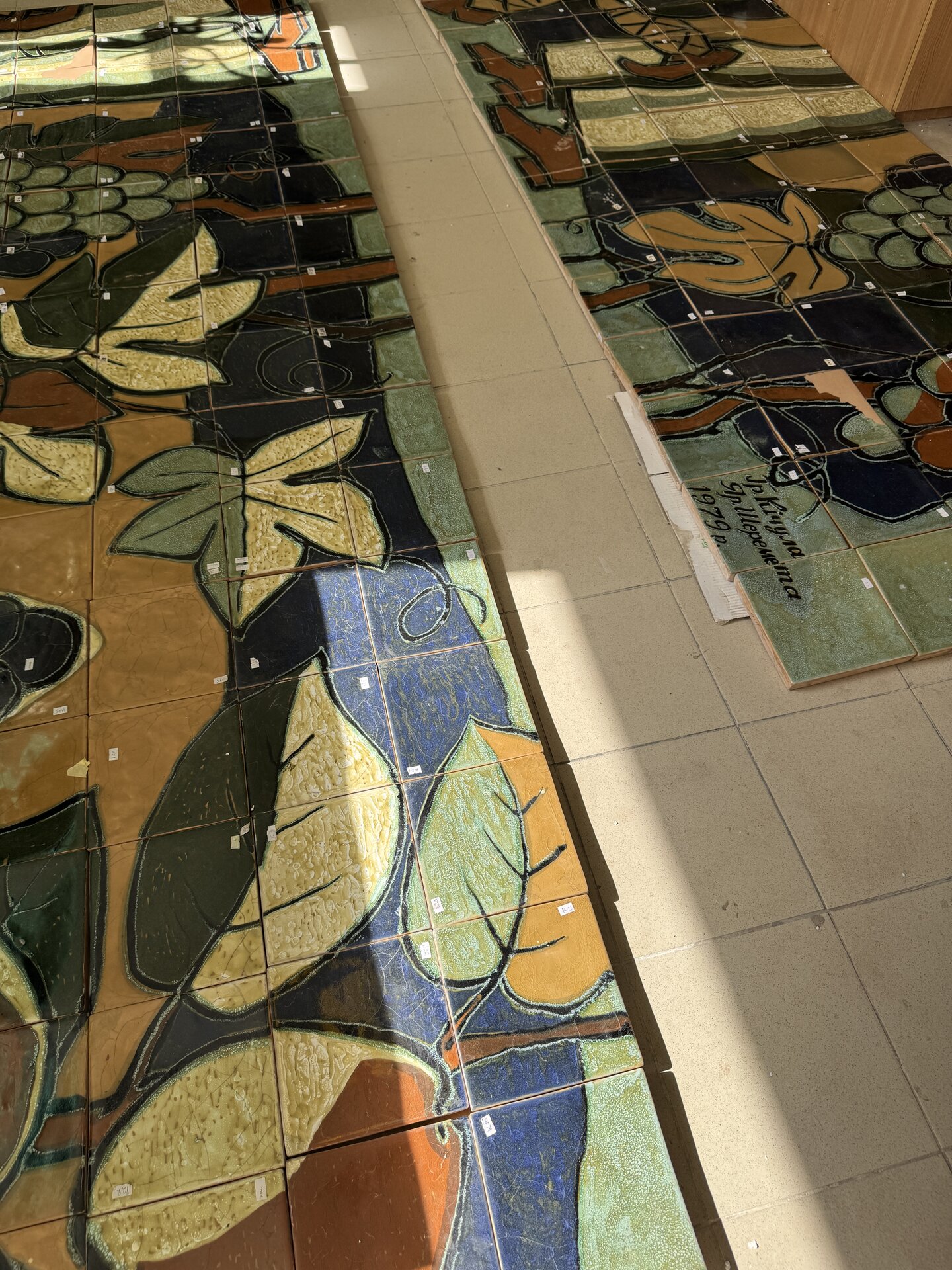
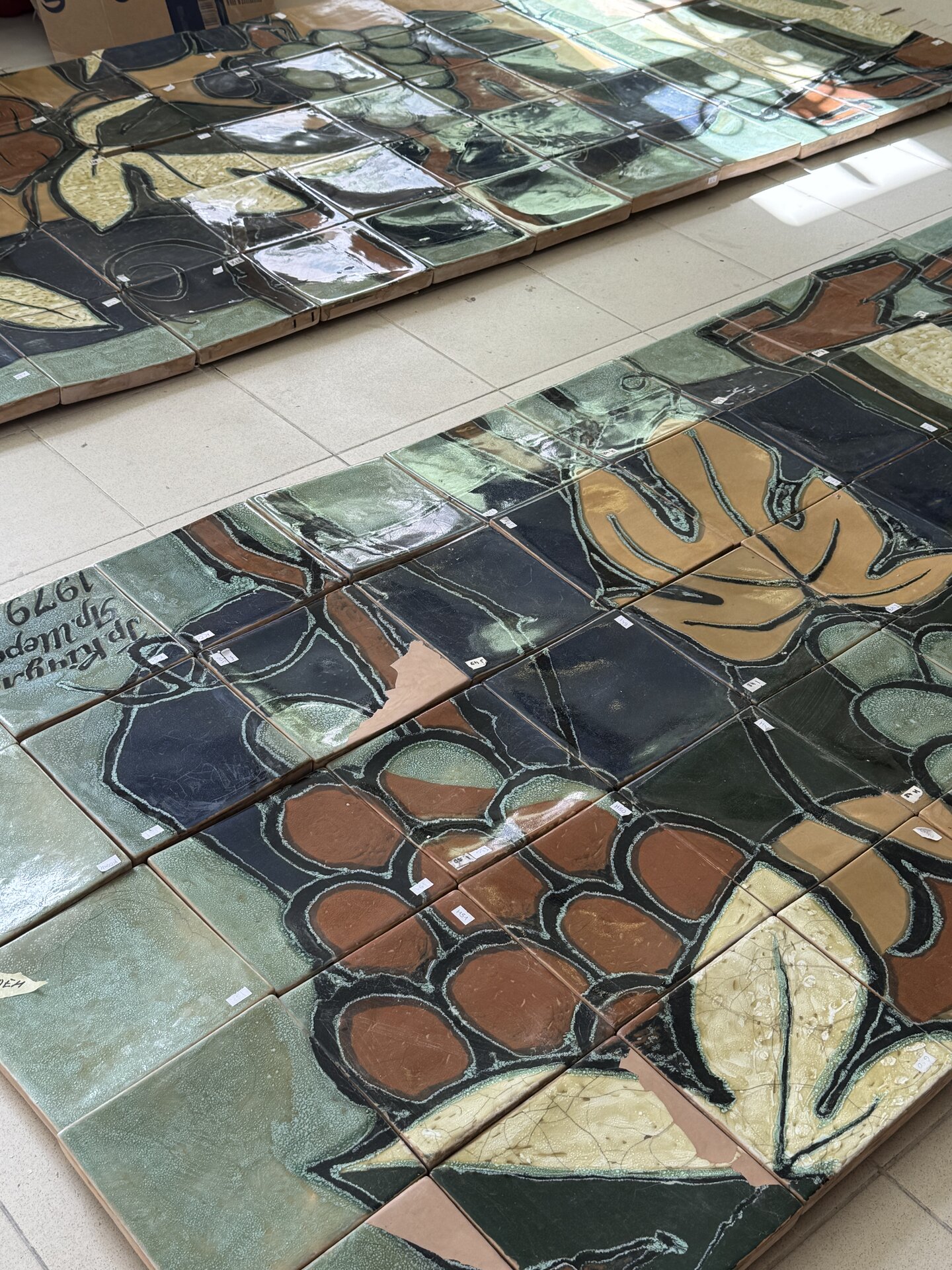
The monumental work consisted of 624 glazed tiles and remained part of that space for over 45 years.
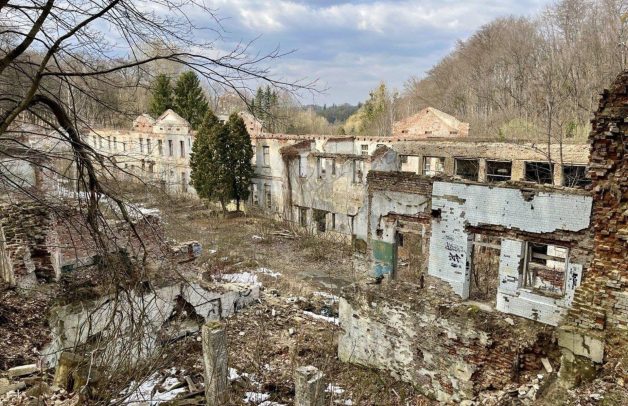
1990s
After the plant ceased operations, its buildings began to decay. The panel remained on the facade, which deteriorated over the years.
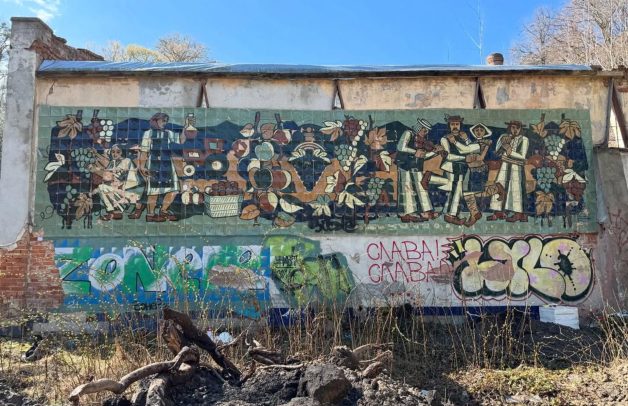
2020s
Due to the building's dilapidated state and damage to the panel itself, the question of its preservation arose. In 2021 a search for a solution that would allow the monumental work to be safely dismantled and relocated to a new site began.
2025-2026
Thanks to a joint initiative of the city, business, and Jam Factory Art Center, the panel was dismantled, restored, and moved to the art center.
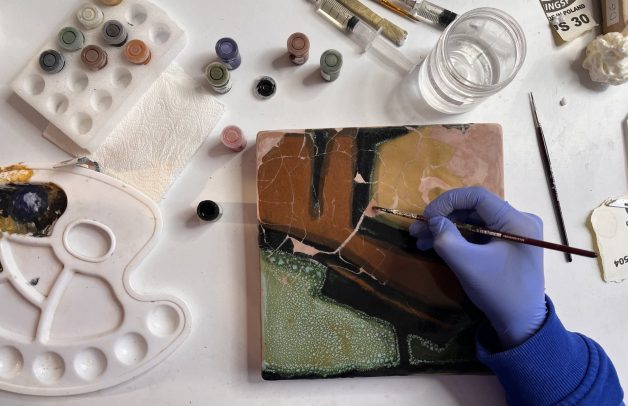
The KARP Restorer team worked on preserving and restoring the panel.
At the same time, a new location for its installation was being prepared at the Jam Factory Art Center.
6th of June 2026
The restored "Grape Harvest" panel has been installed on a specially constructed wall at the Jam Factory Art Center. This ensured the artwork's preservation — which had been at risk of being lost — and its return to Lviv's public space.
A New Life for the panel
The idea to save the panel arose over five years ago. Since then, the process has involved research, searching for technical solutions, preparing for dismantling, restoration, and setting up a new display location.
During research the Jam Factory Art Center team discovered that the panel’s history is directly linked to the art center’s site. In 1945, the Lviv Wine Bottling Facility began operations in the building at 124 Bohdana Khmelnytskoho Street; it later became part of the “Ukrvyno” wine enterprise.
In the 1990s, the enterprise fell into decline, and the building gradually deteriorated. The panel, too, was put at risk. Relocating it to the Jam Factory Art Center grounds served not only as a way to preserve the artwork but also as a symbolic return to a site linked to the history of the wine-making facility.
Jam Factory Art Center coordinated the project implementation and united partners around the idea of preserving the panel. For the art center, this undertaking represented a continuation of its long-standing interest in cultural heritage. This became an example of collaboration among an art institution, the city, the business sector, and conservators.
According to Tetiana Fedoruk, the operational and executive director of Jam Factory Art Center, the total project budget reached several million hryvnias. It included research, dismantling, restoration, transportation, and installation of the panel, construction of a separate wall, landscaping, and lighting for the new space.
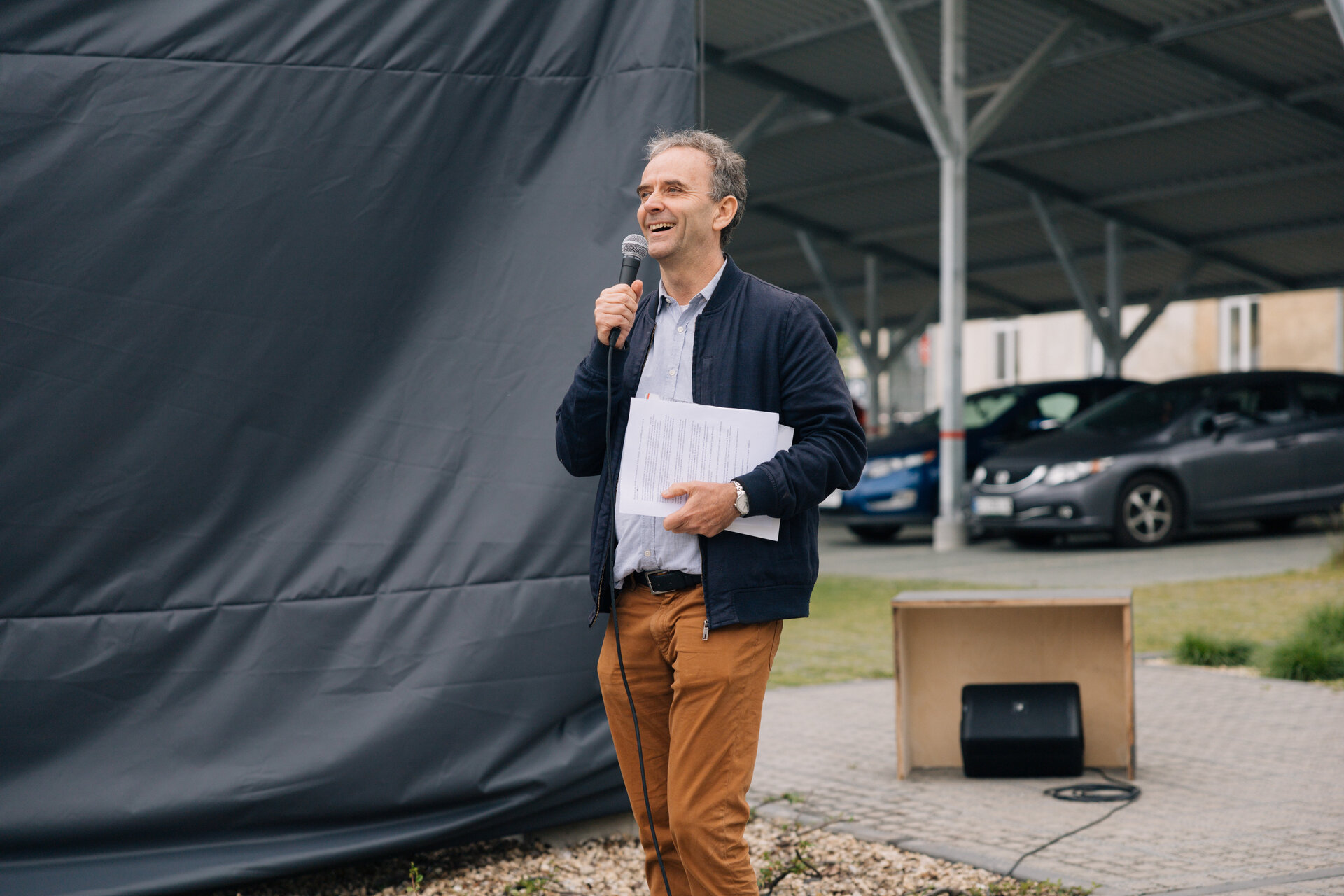
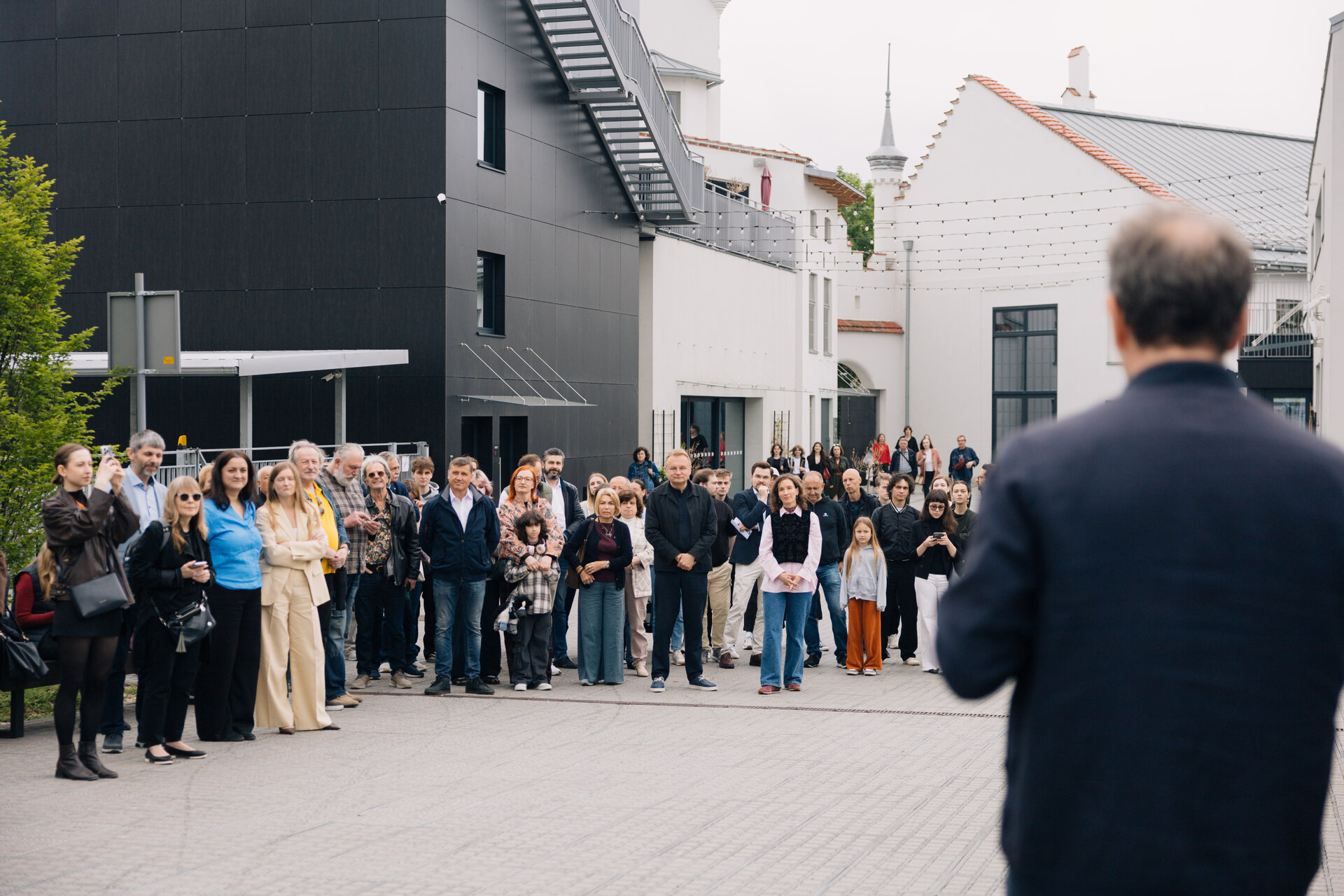
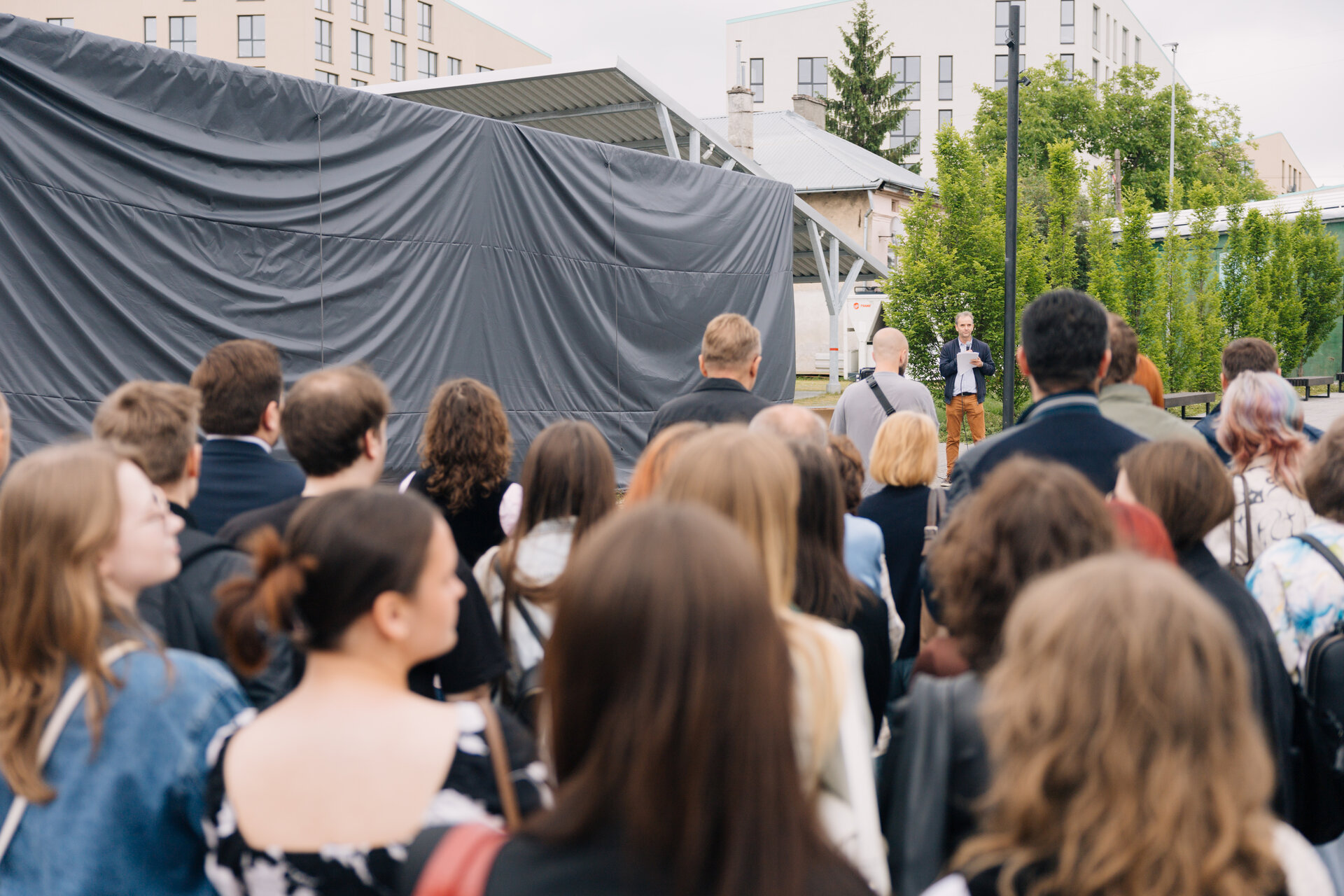
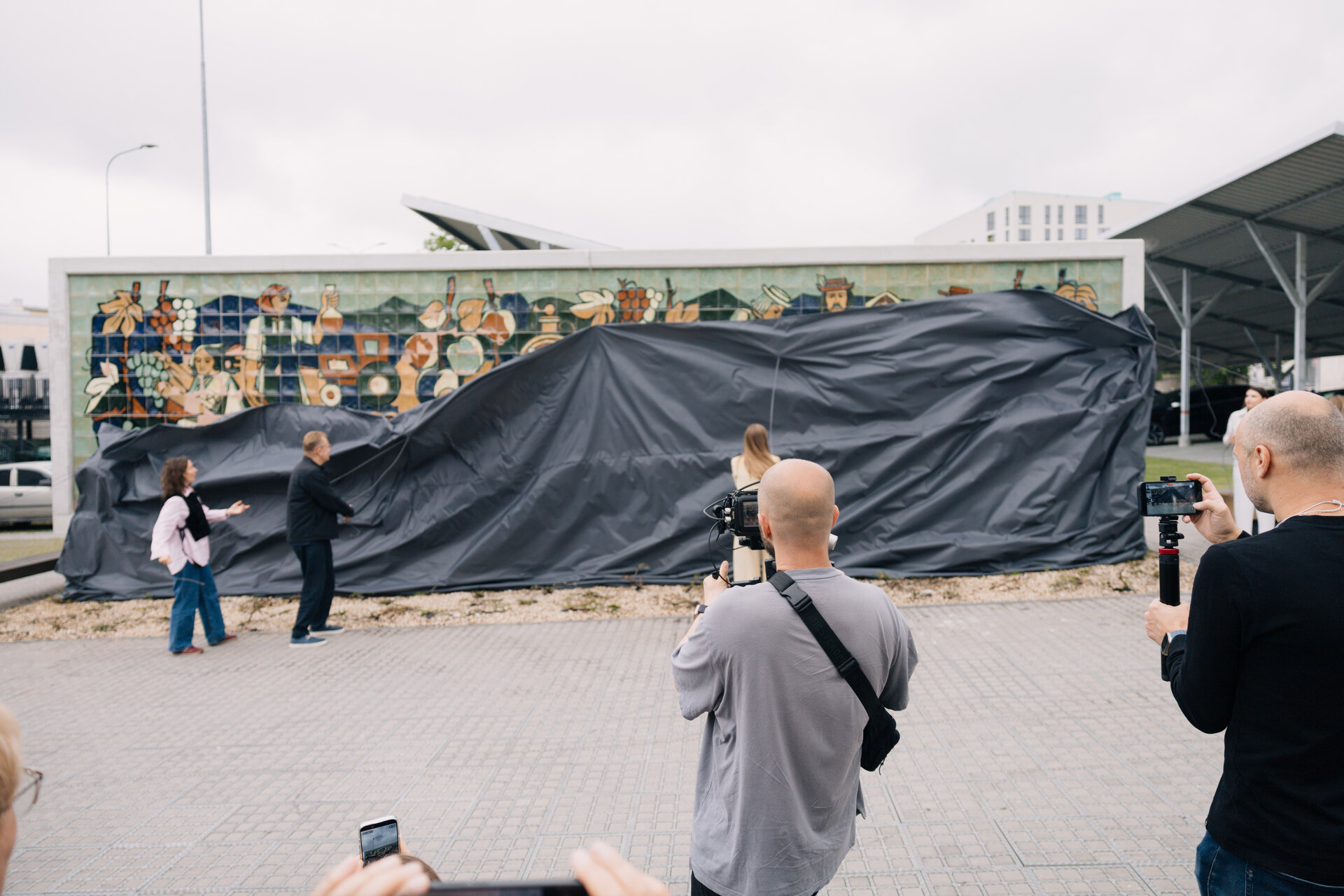
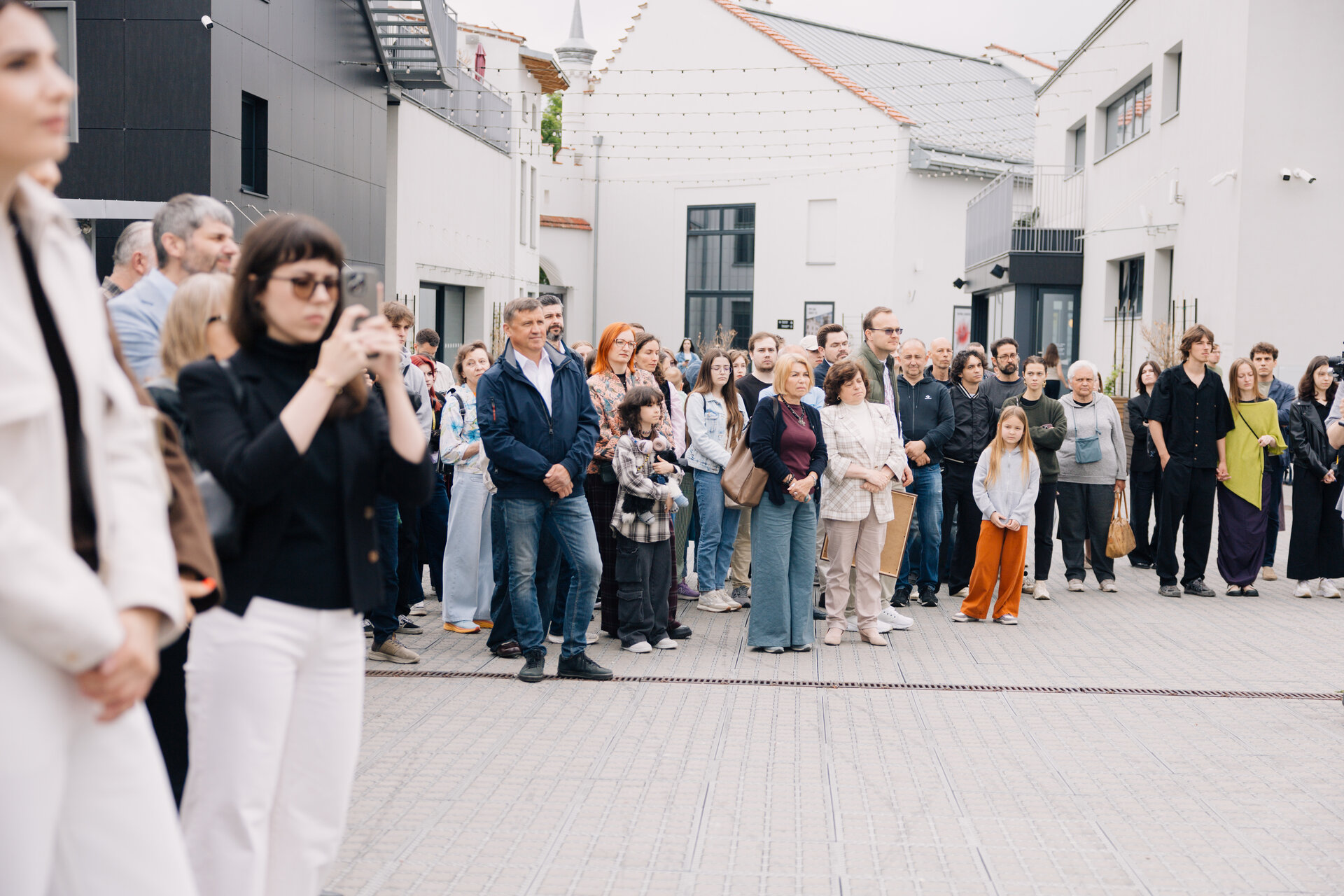
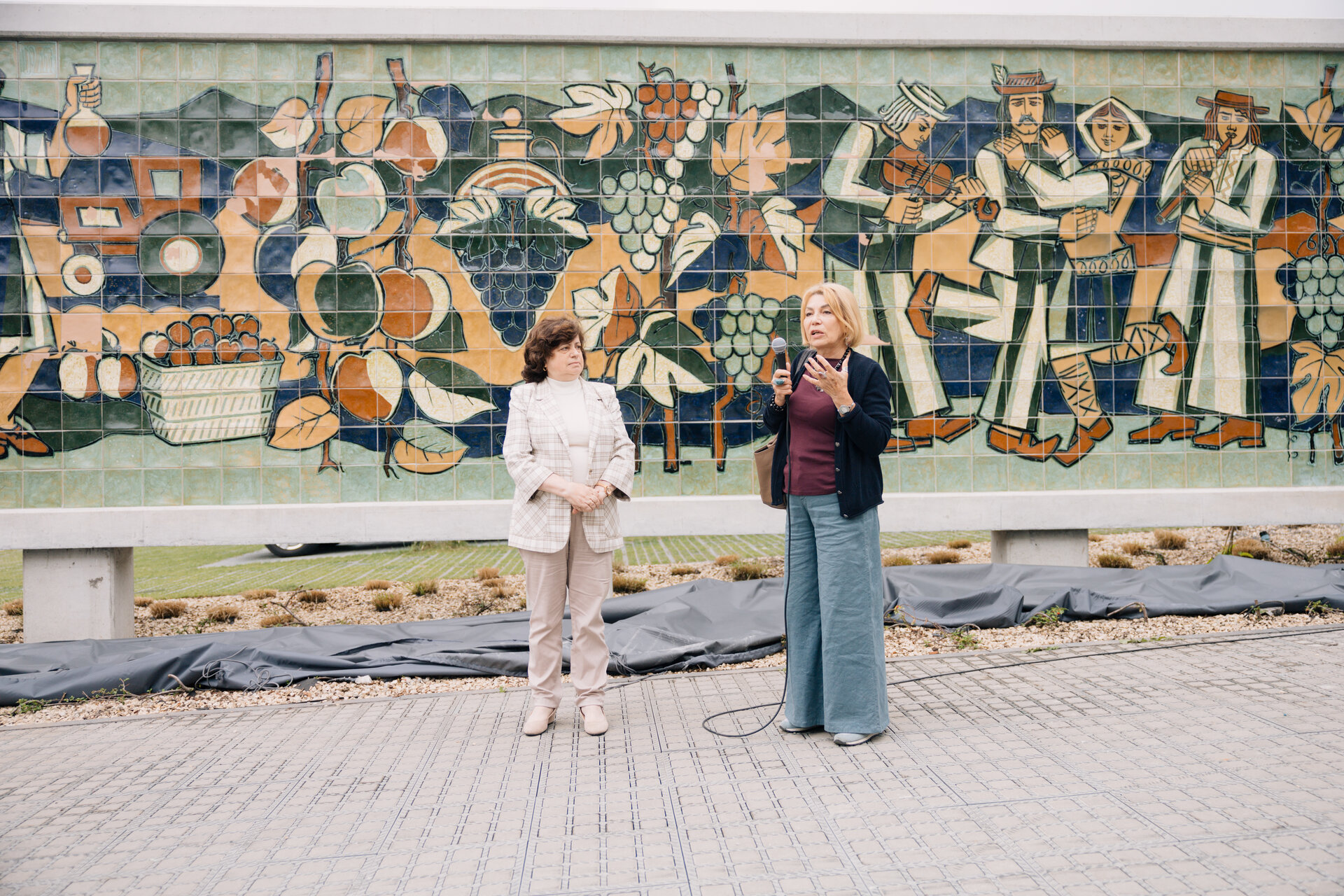
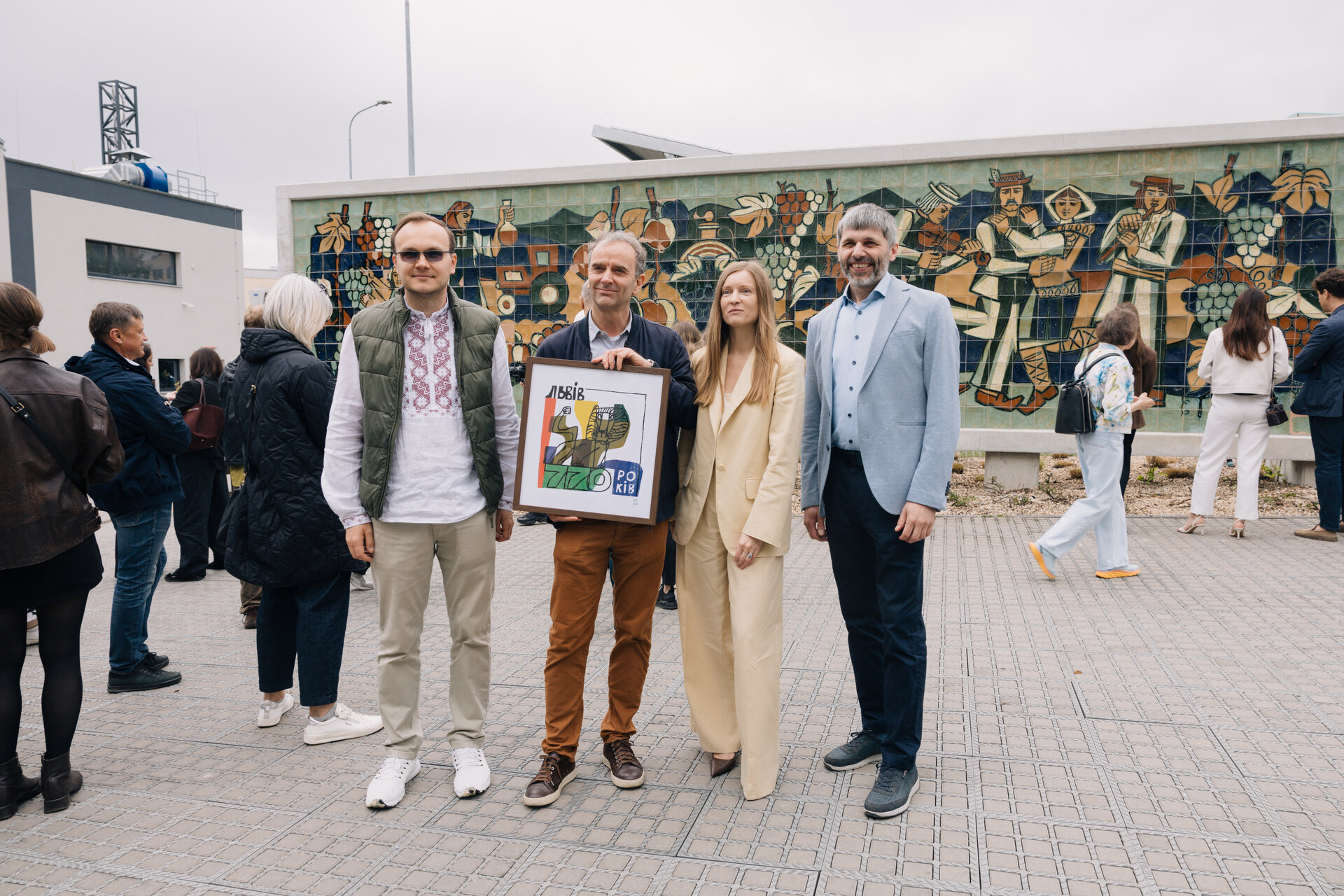
On June 6, 2026, the restored “Grape Harvest” panel was officially unveiled at the Jam Factory Art Center.


Video about the preservation and restoration of the panel
Watch the complex process of rescuing, restoring, and moving the “Grape Harvest" panel. Produced by Pryvit Production.
Panel Restoration
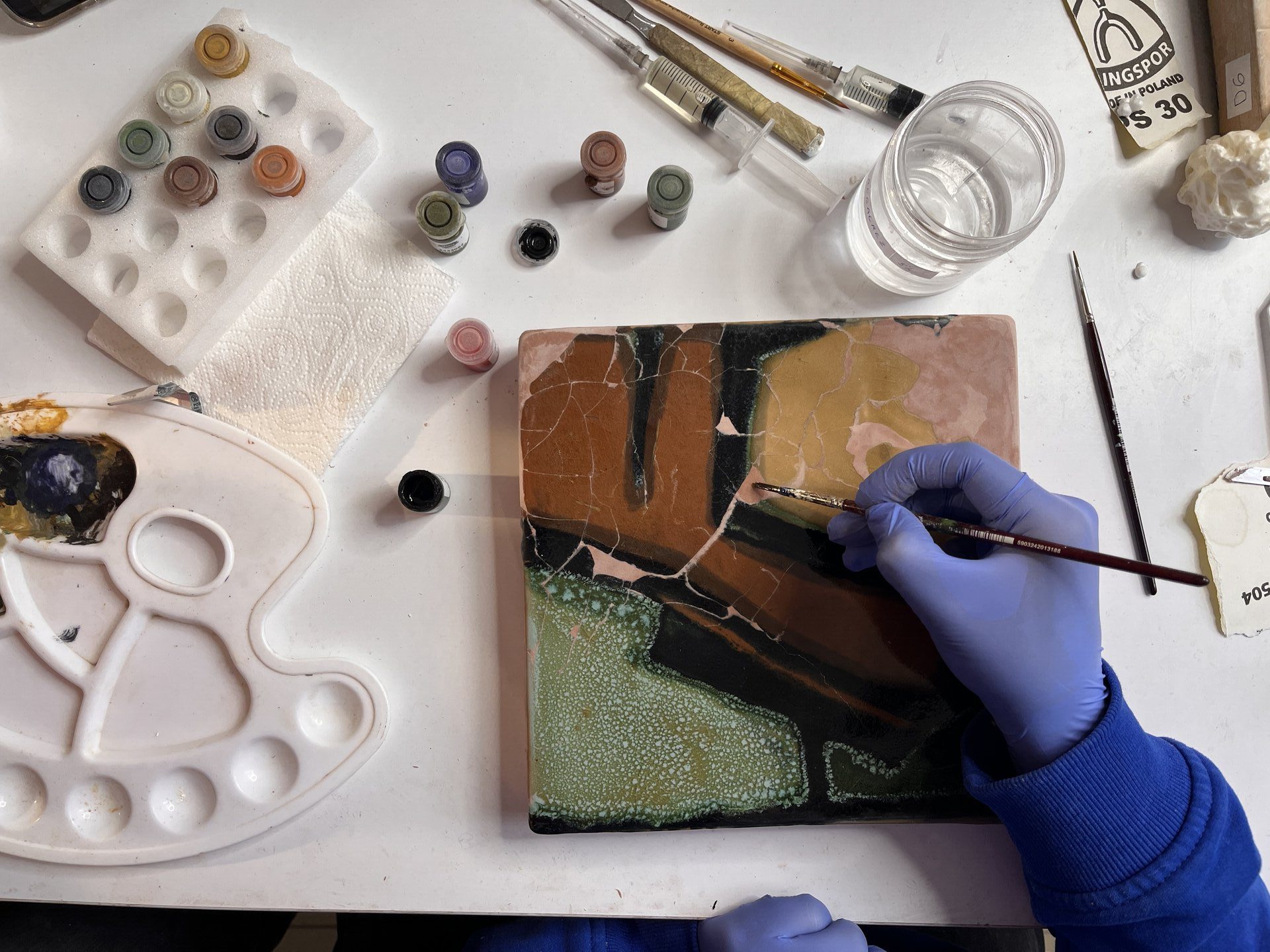
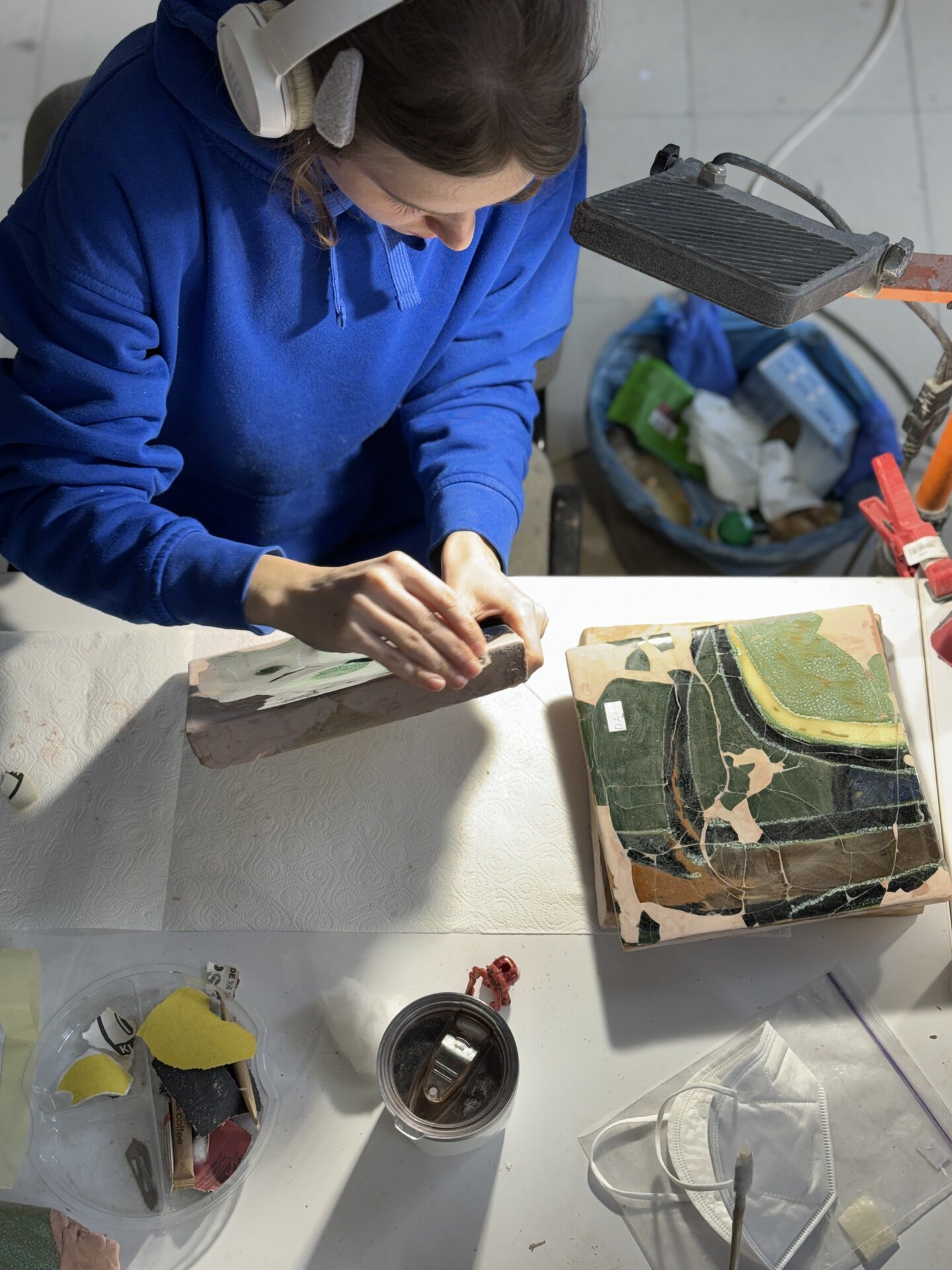
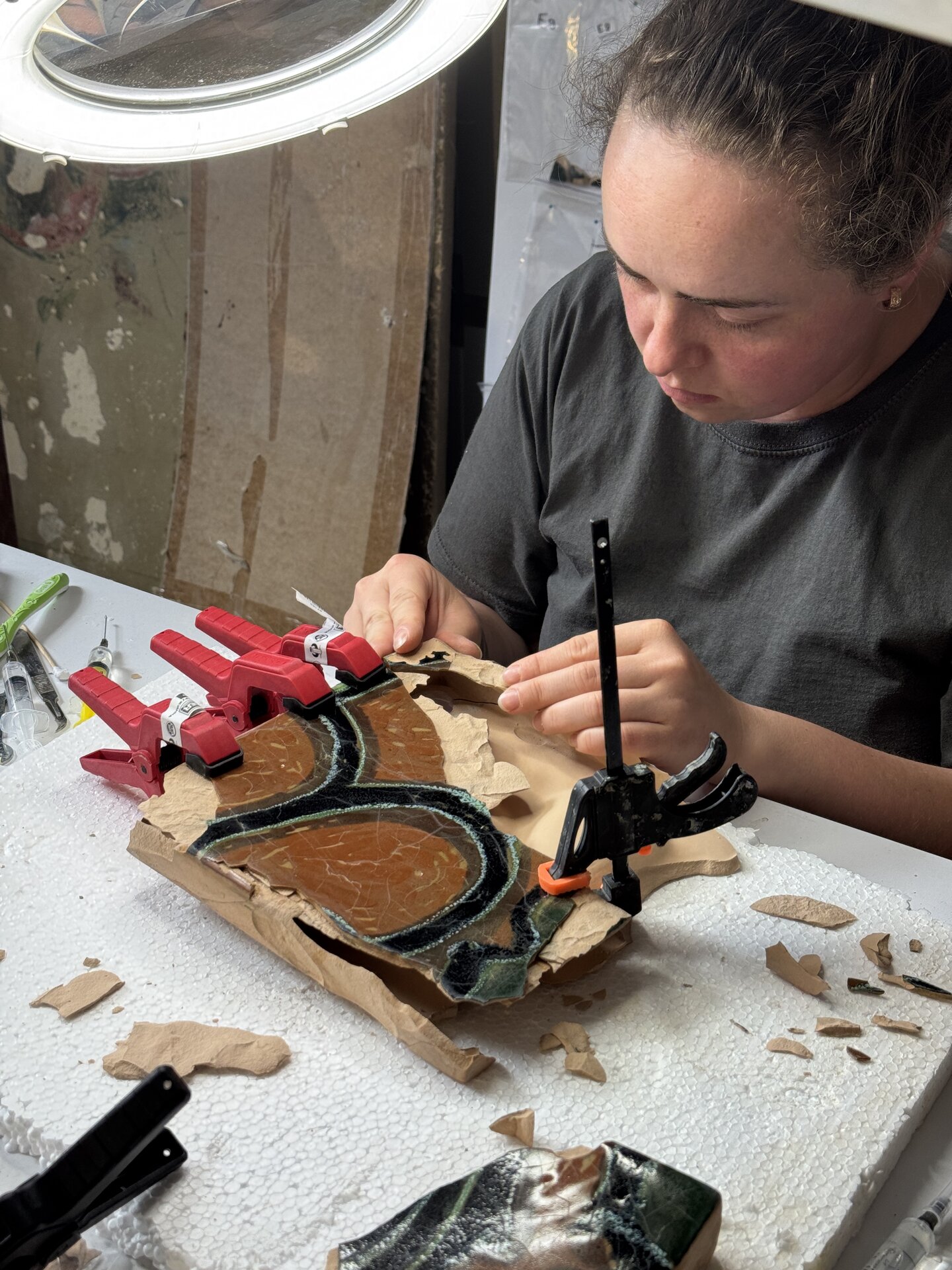
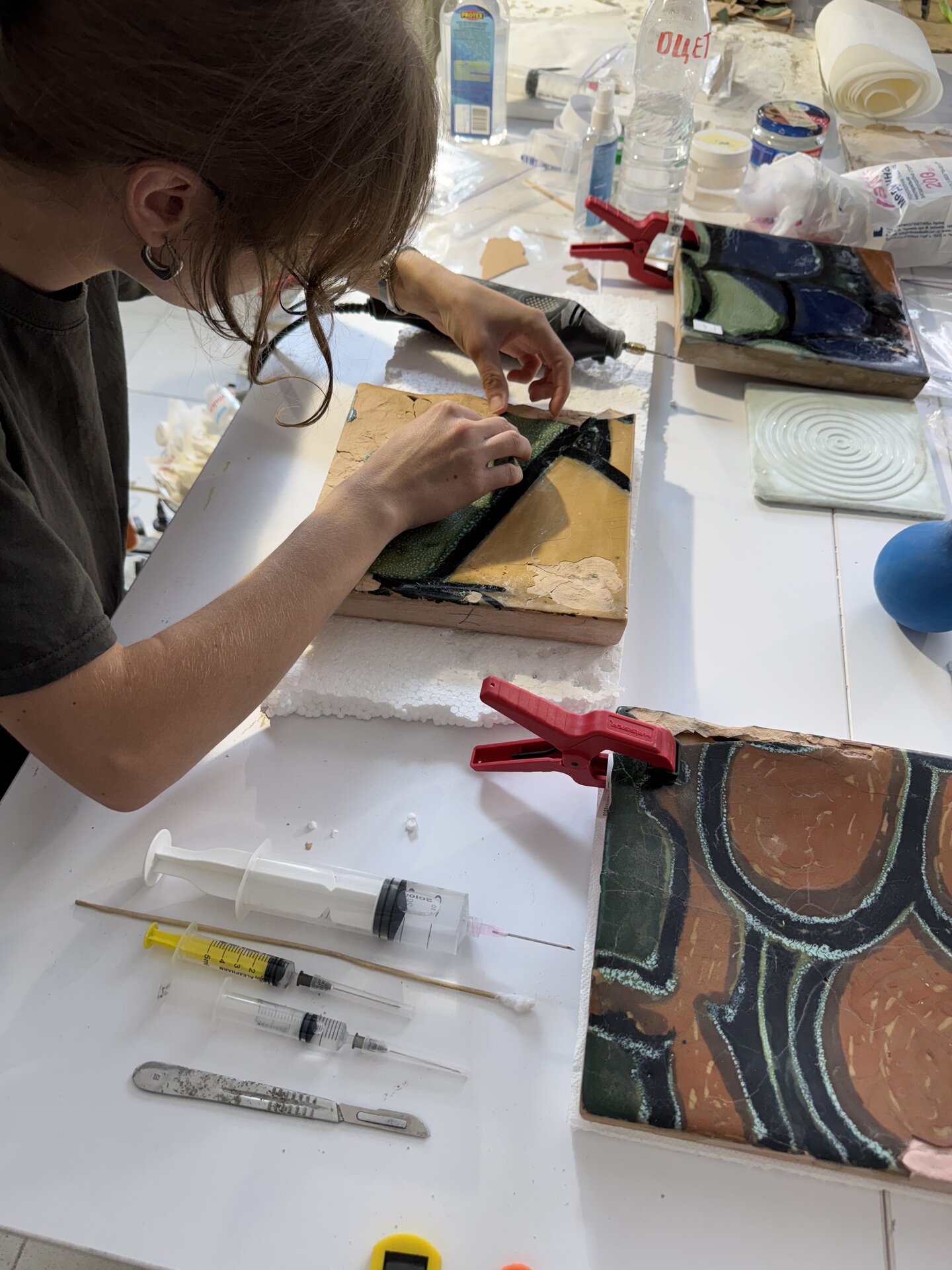
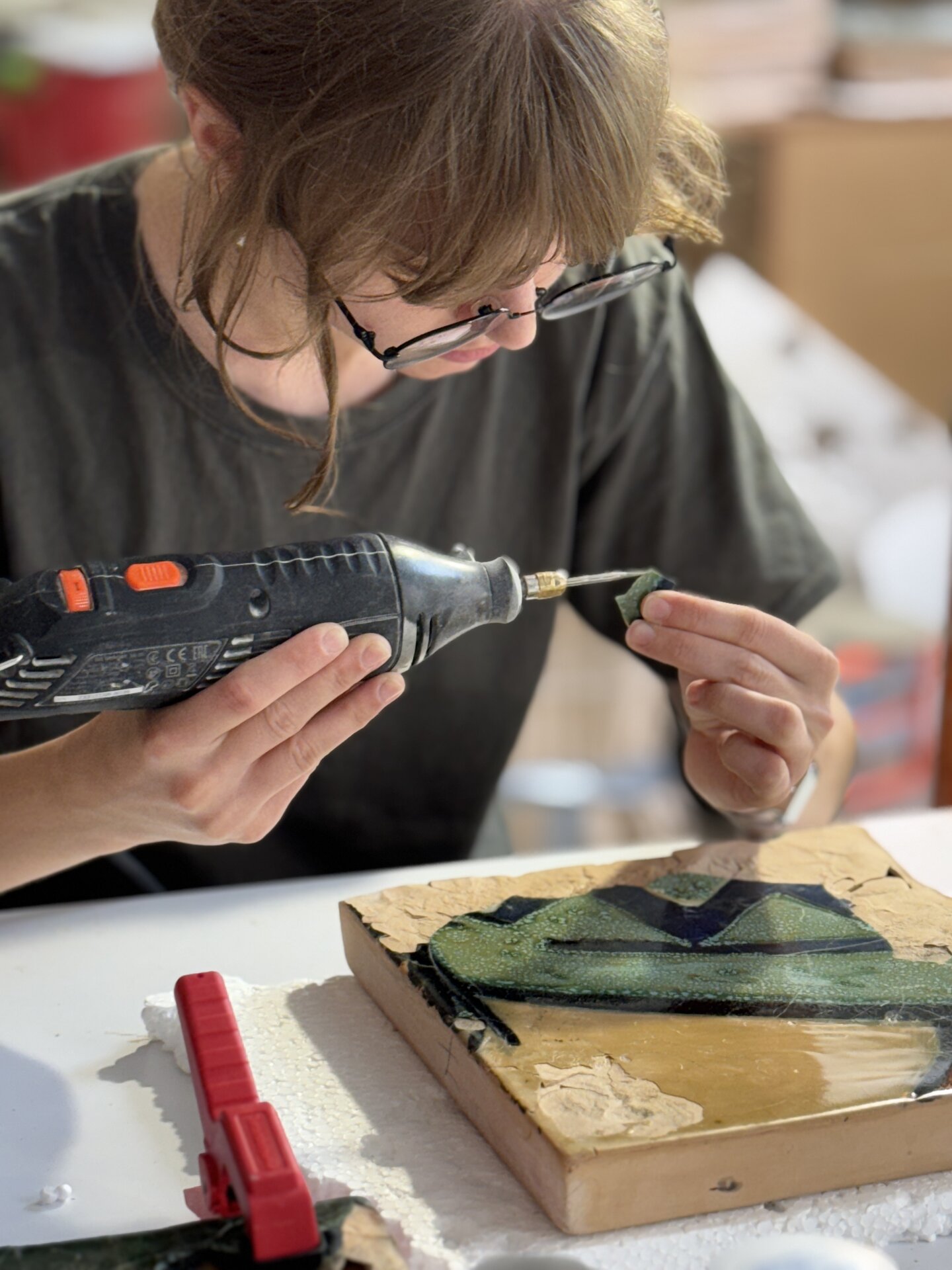
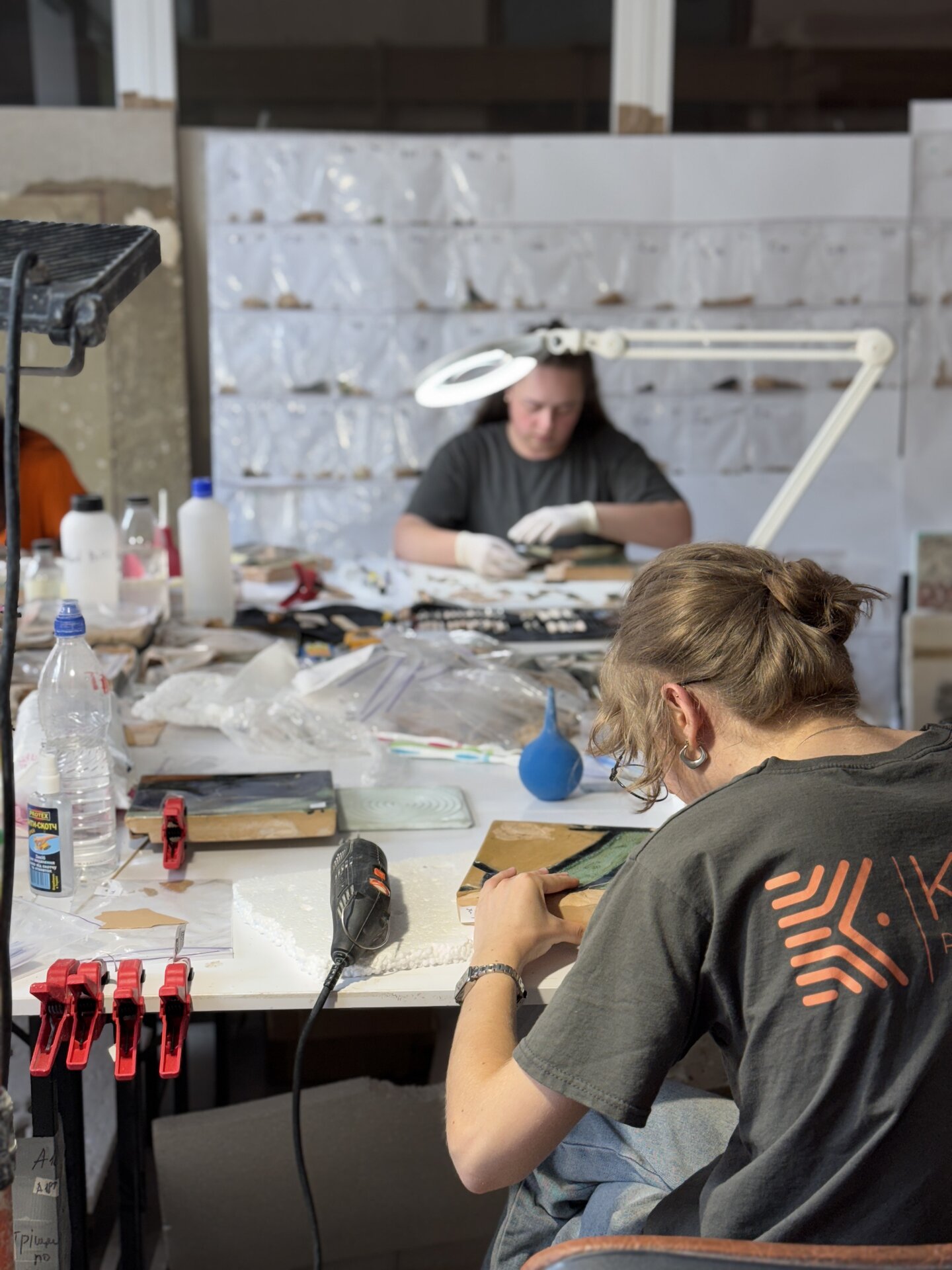
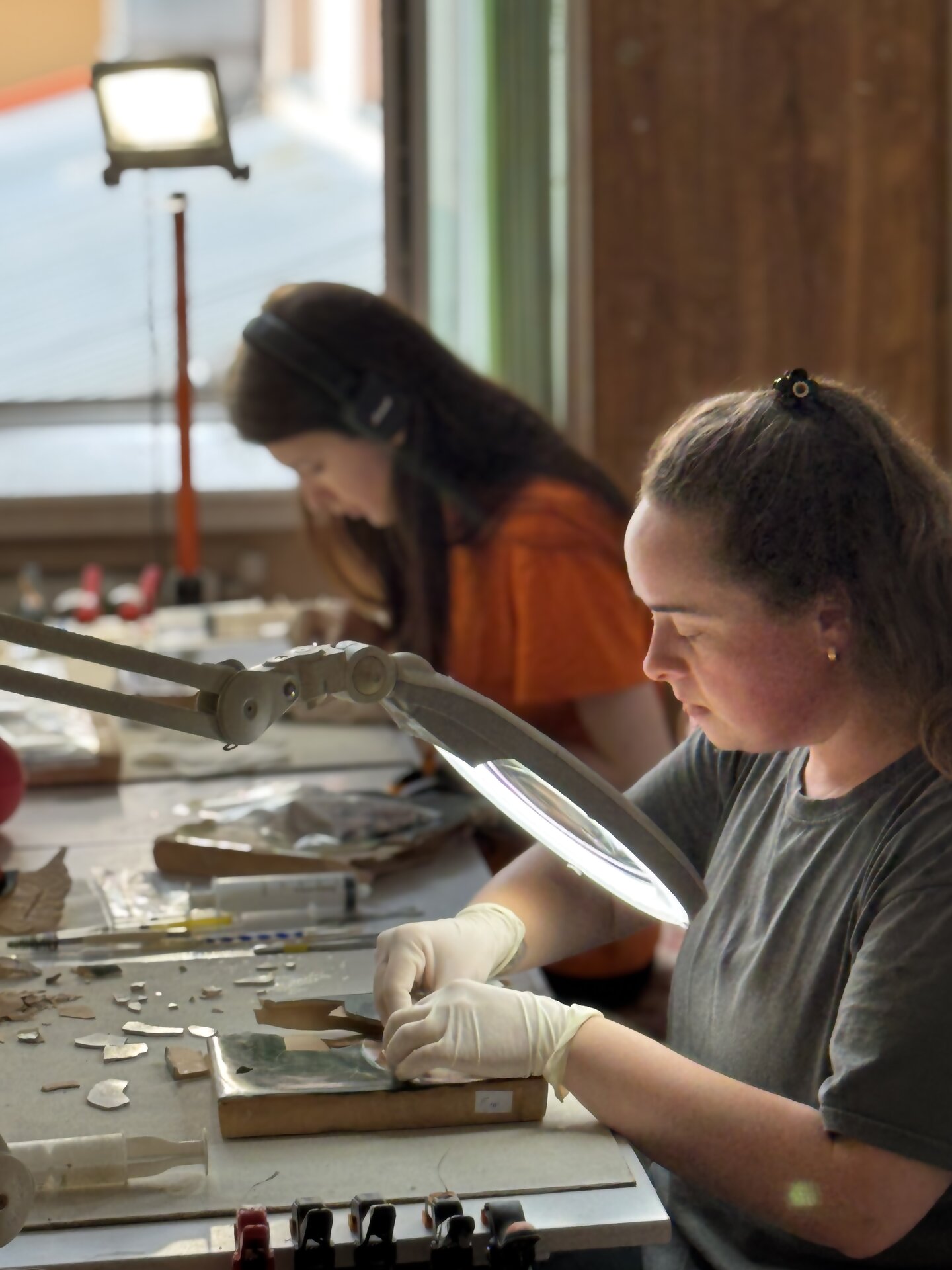
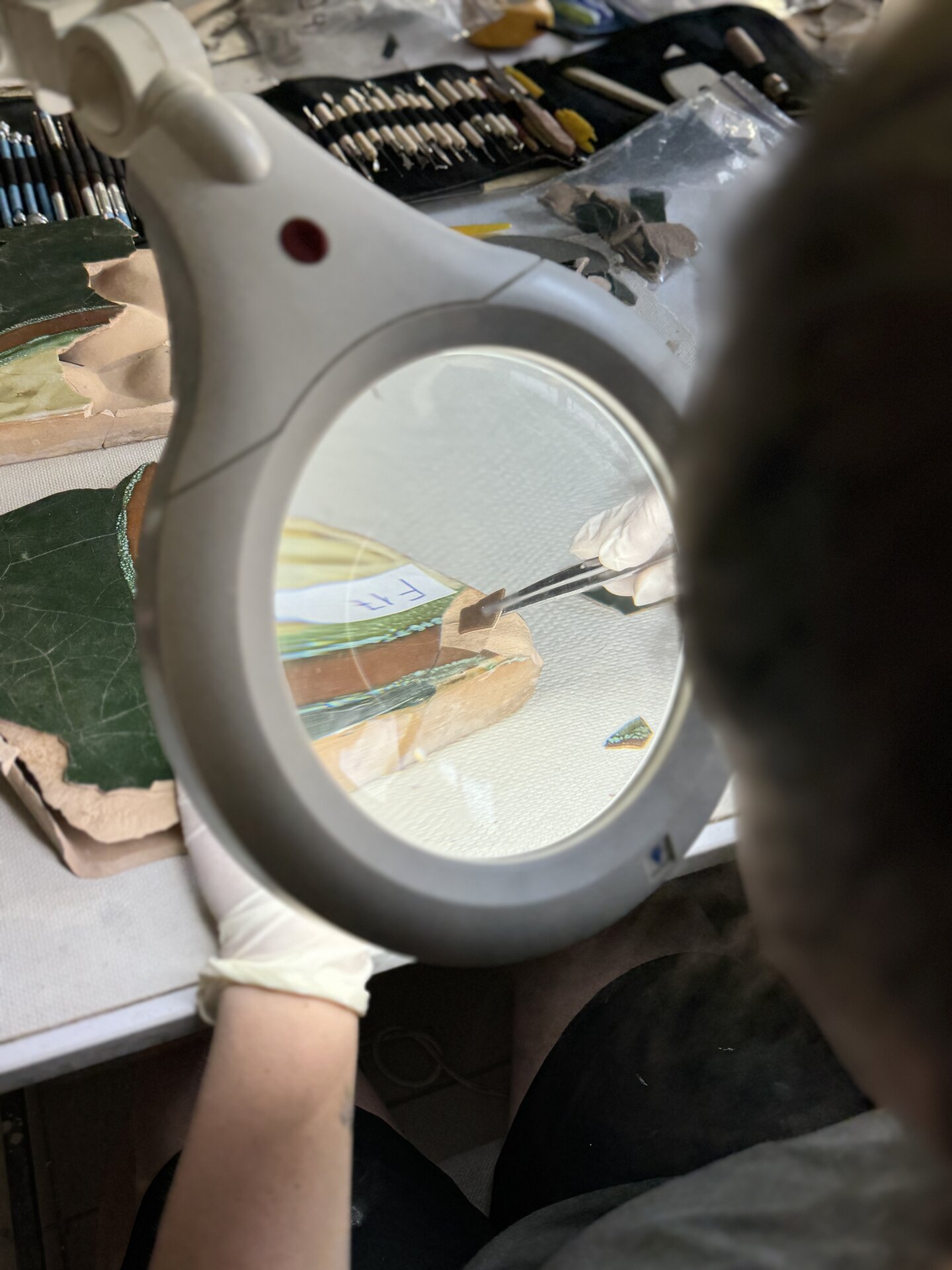
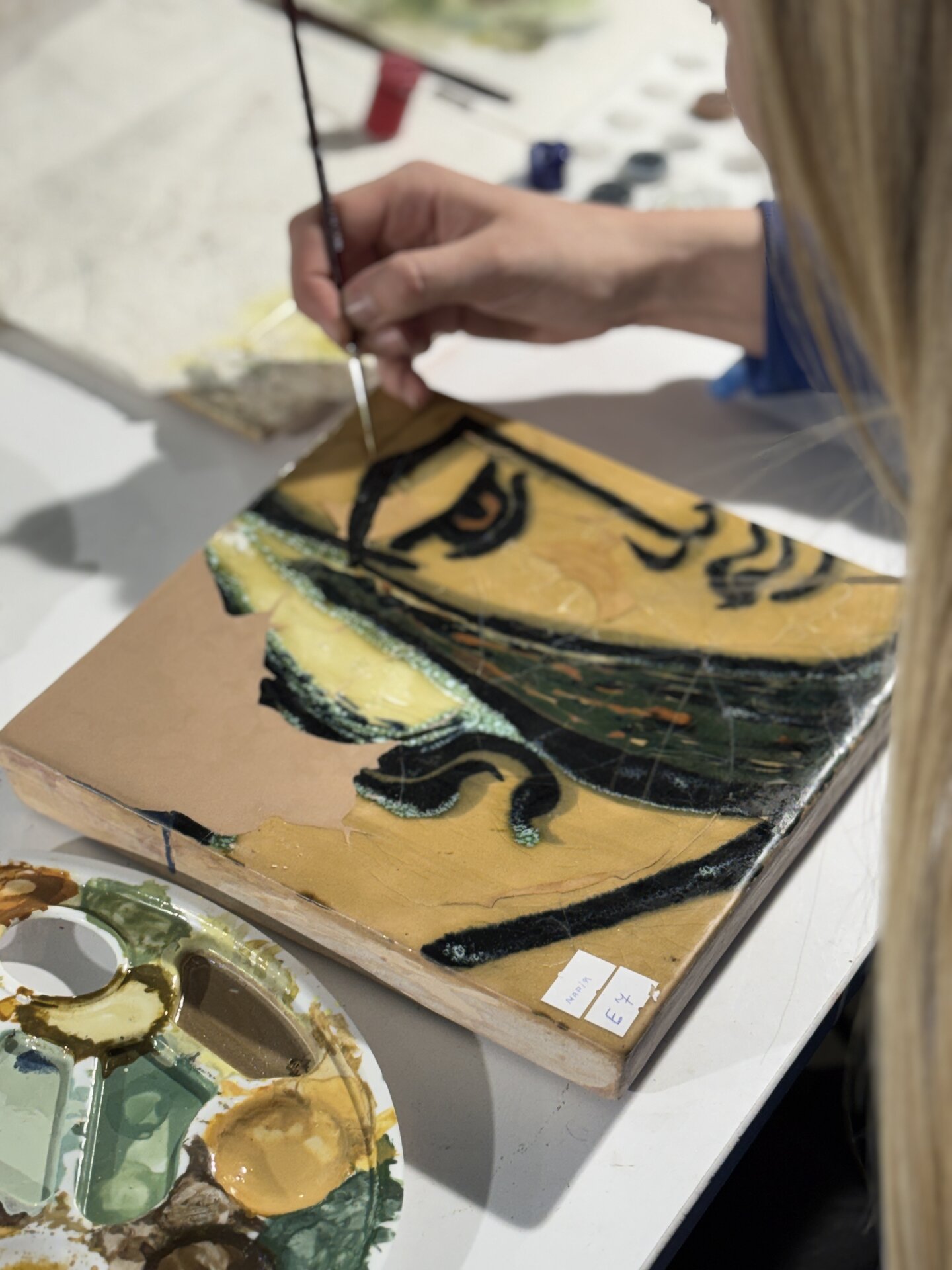
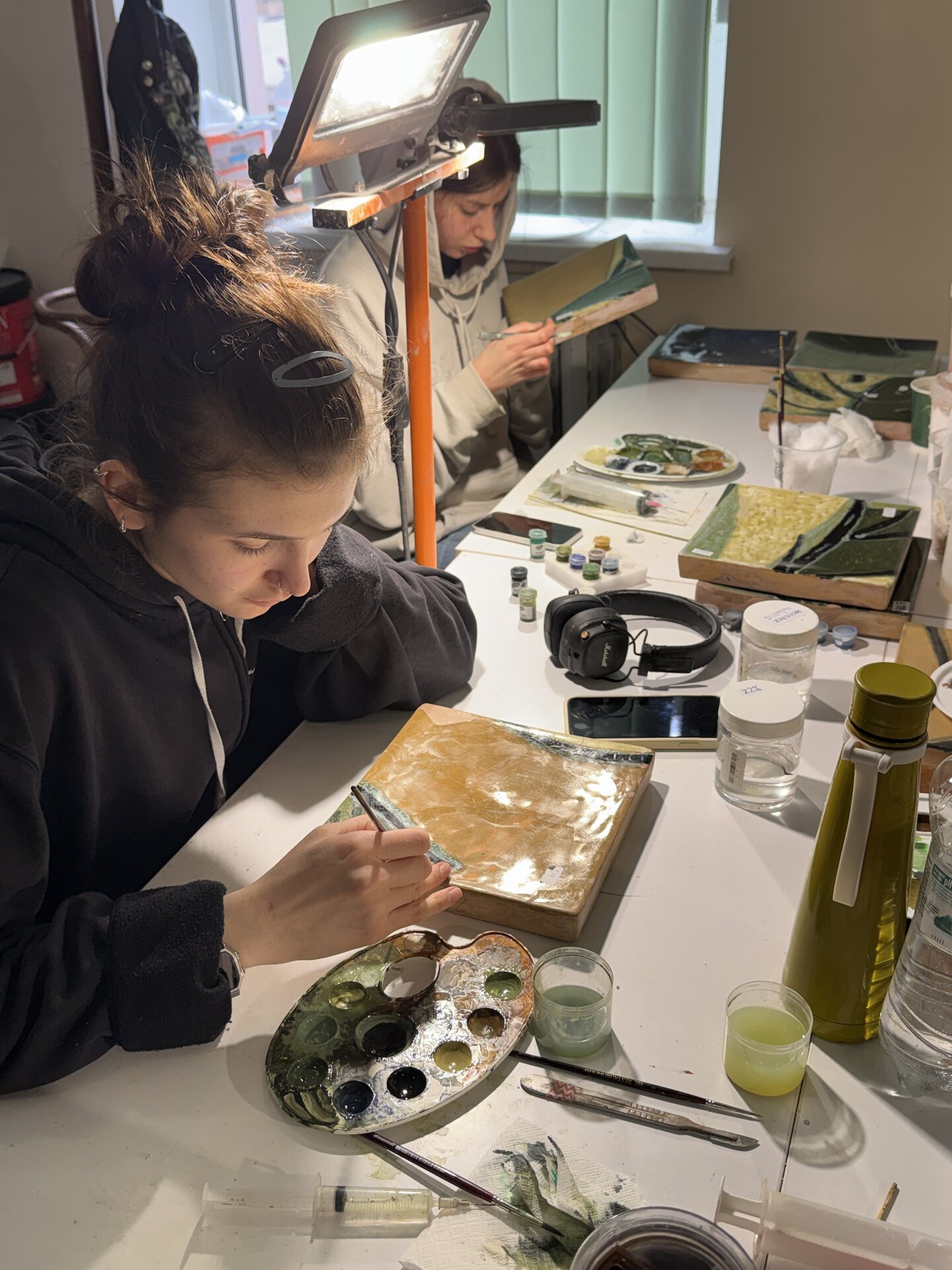
The restoration was carried out by KARP Restorer. The project took about a year and involved more than 20 conservators. One of the most challenging stages was the dismantling process: fragile ceramic elements had to be carefully detached from a sturdy cement-and-brick wall, transported to the workshop, stabilized, and restored. Afterward, the panel was reassembled and installed at a new location.
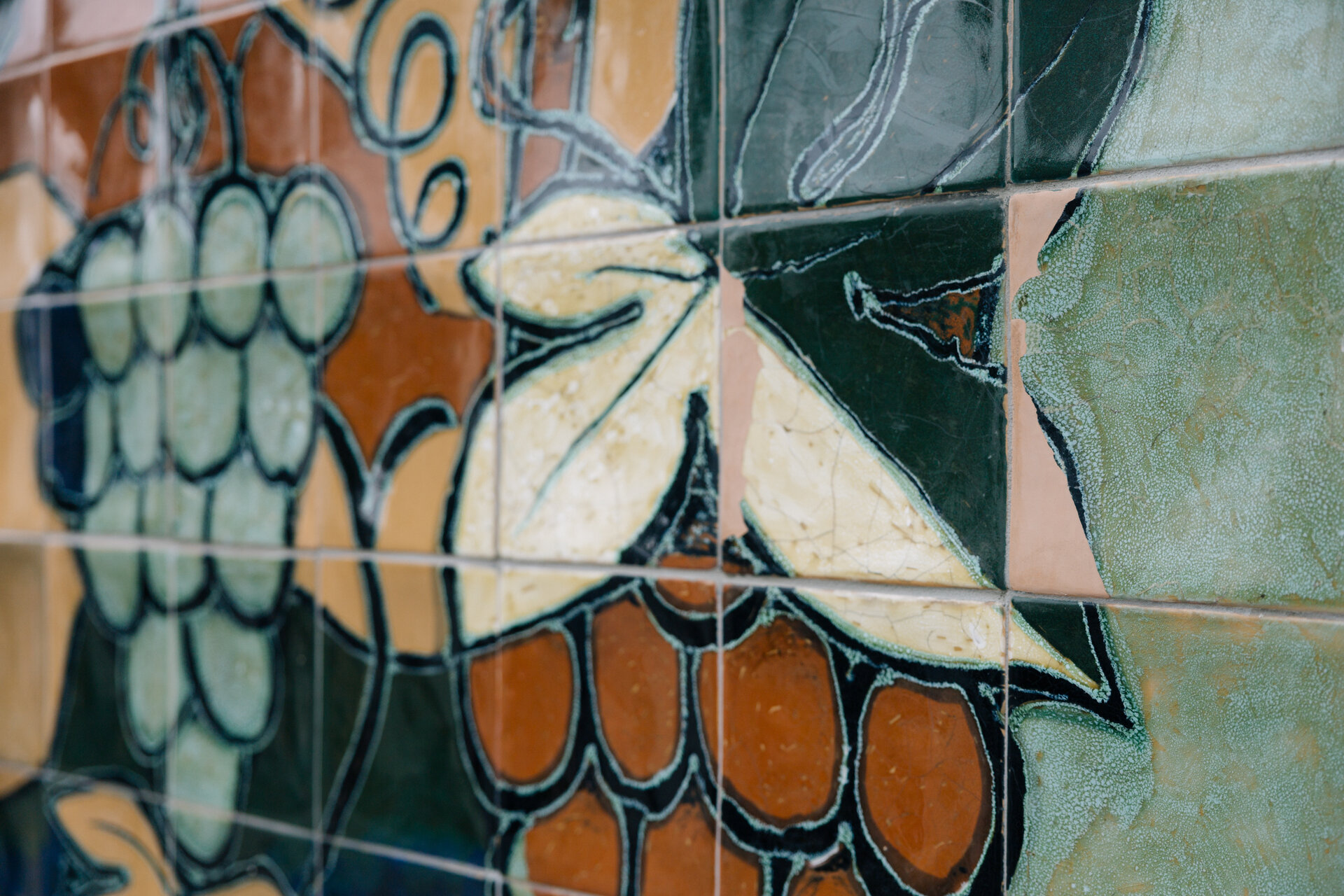
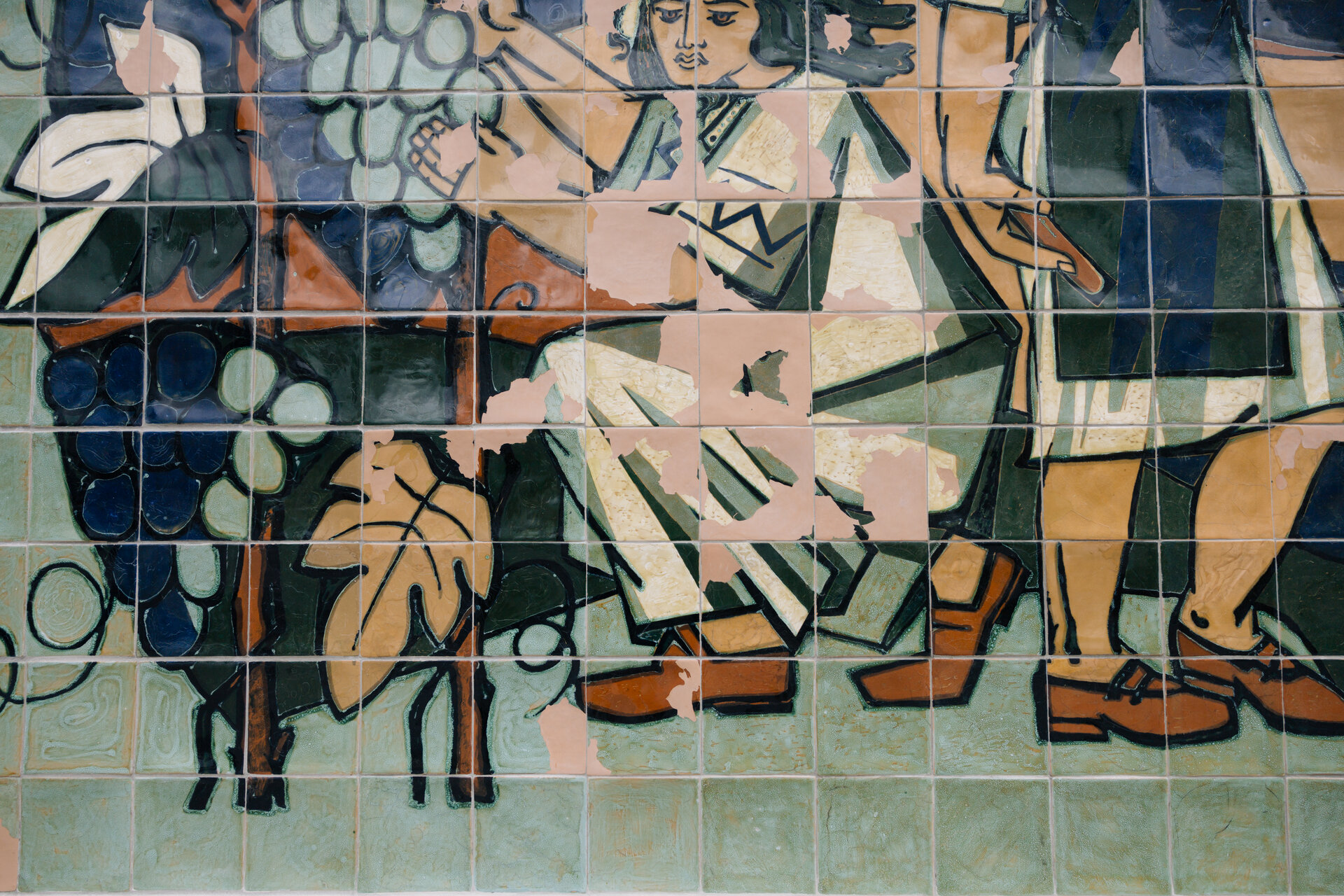
During the restoration, the team sought to preserve the artwork’s authenticity and the traces of its history as much as possible. Of the 624 tiles, two were completely lost, while about 20 had sustained serious damage — though these were successfully stabilized and preserved. It was decided not to recreate the missing elements; instead, a neutral background was left in their place, making it possible to distinguish the original parts of the panel.
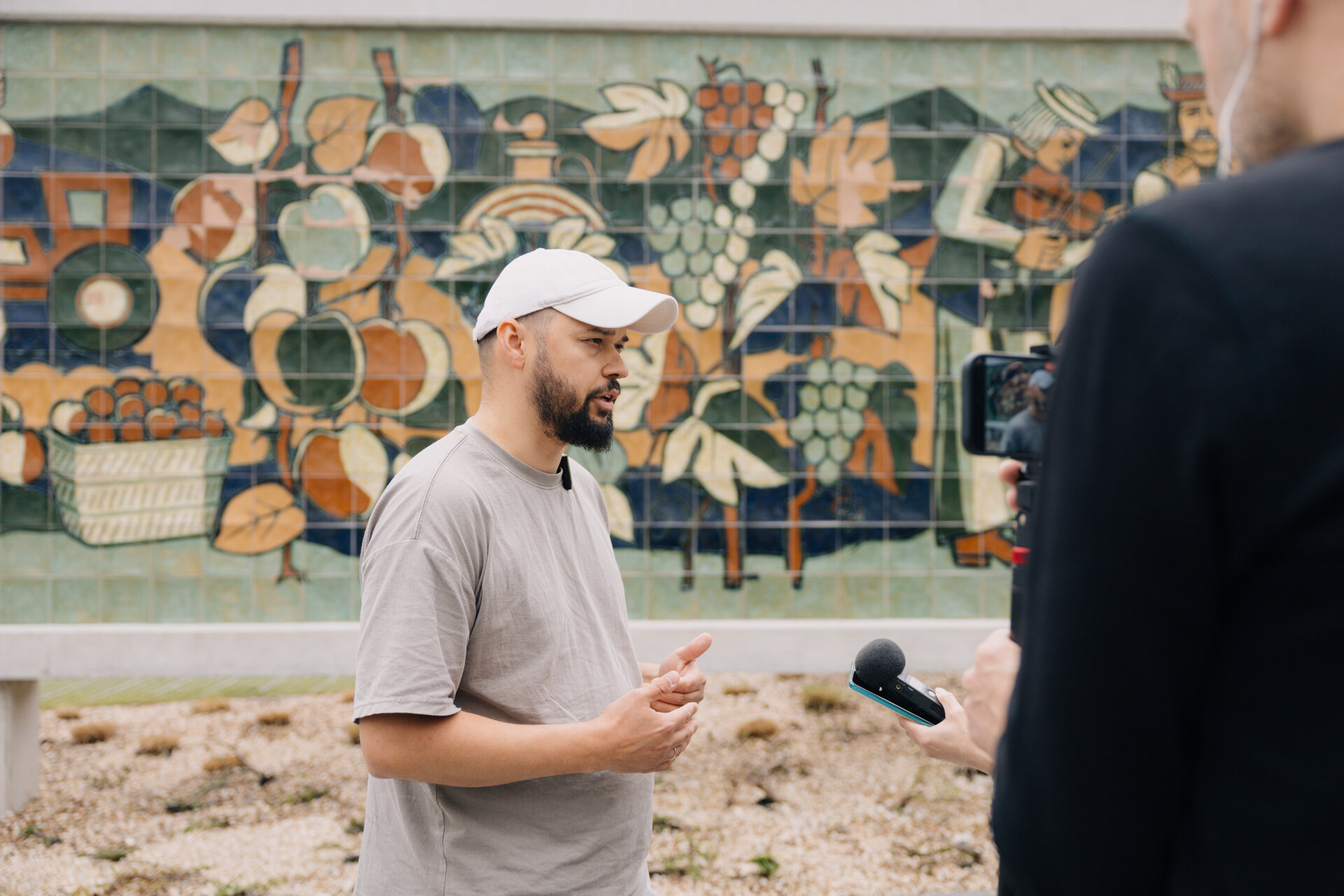
“The panel bears the ‘scars of history,’ and we are preserving them. We did not want to add our own colored elements. We could never replicate what the original artist created. The main idea was to show that the piece has traversed its own historical journey and remained authentic, even though it is now in a different location,” notes Vasyl Karpiv, head of the KARP Restorer.
The installation process was equally challenging. Restorers worked on each of the more than 600 tiles individually, assembling the panel on a new backing while preserving its original composition with the utmost precision.
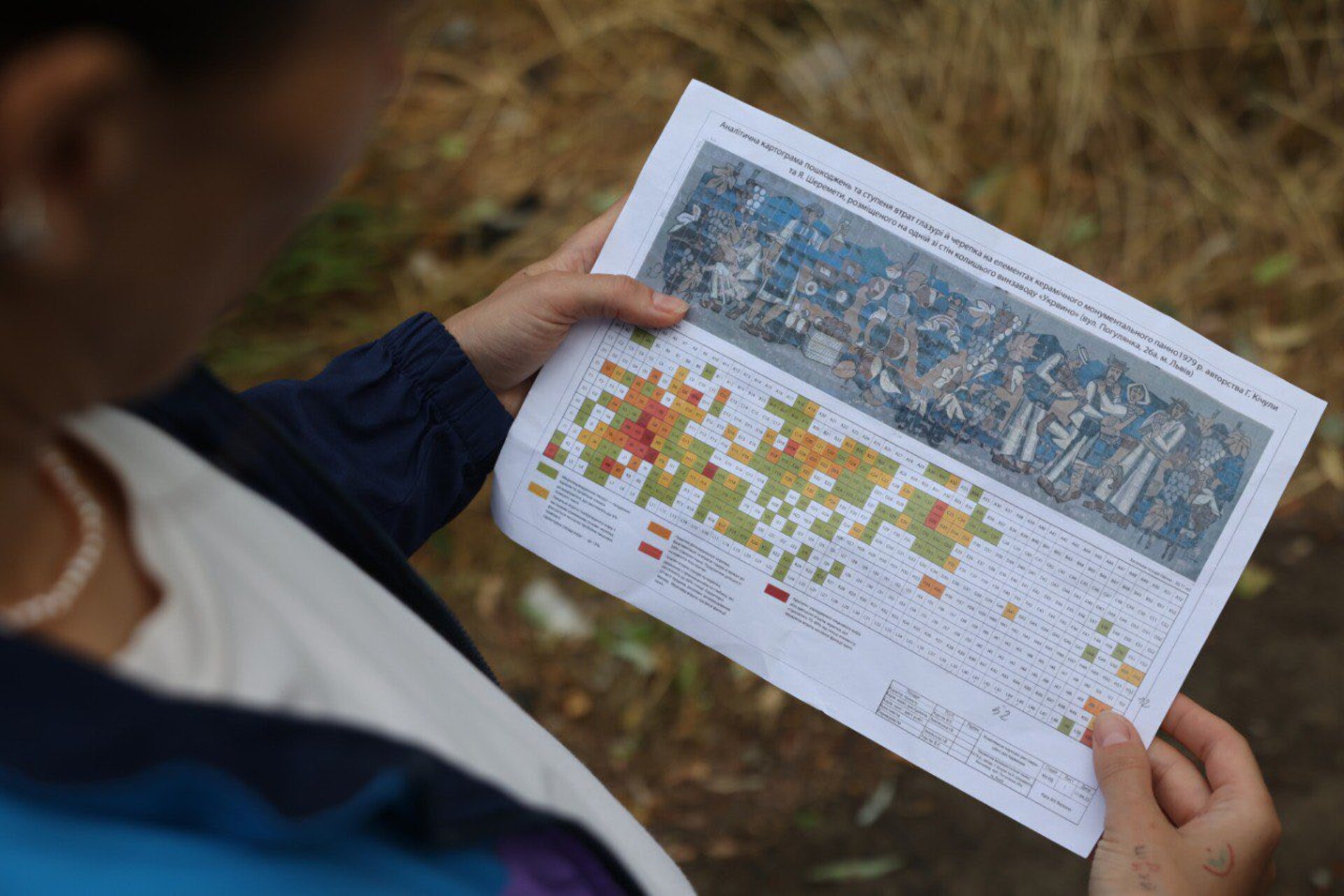
Recording of a presentation by KARP Restorer
"Experience in Preserving Monumental Ceramics: Research, Conservation, and Relocation of the 'Grape Harvest' panel from Pohulianka to the Jam Factory Art Center." Speaker: Iryna Zmiievska, a monumental art conservator with the KARP Restorer team.
Location
The “Grape Harvest” panel is displayed on a specially constructed wall at the Jam Factory Art Center. Admission to the site is free.
The art center grounds are open daily from 8:00 AM to 10:00 PM.